

interview
Interview with Julia Lezhneva
August 31, 2026
“Analytical work allows for emotional freedom, while emotional discoveries…”






Konstantin Krimmel, of German-Romanian descent, first encountered music during his musical training with the St. George's Choirboys in Ulm, where his fascination with music was ignited. At the age of 21, he began his vocal studies with Professor Teru Yoshihara, graduating with distinction in 2020. Even during his studies, Konstantin Krimmel developed a particular affinity for the concert and song repertoire, which he rapidly expanded. He has since won numerous competitions, including the German Music Competition 2019, first prize at the International Helmut Deutsch Song Competition, second prize at the International Singing Competition "Das Lied" in Heidelberg, and the Gian Battista Viotti International Music Competition. Consequently, the artist performs both nationally and internationally. He is also a member of the Bavarian State Opera and, since 2019, an exclusive artist with the French label Alpha.
When did you discover your singing voice?
I sang in a boys' choir for 15 years. So, I unconsciously found my voice very early on (at age 5), and it developed over a long period. For many years, it was just the choir, and later I added solo singing lessons.
You originally wanted to become a mountain infantryman; why did you become a singer instead?
During my time in the German Armed Forces, I realized I was missing something I'd always had before. Admittedly, it was only as a hobby, but music was always there: singing, playing piano and bassoon, and a little trumpet. And after a year in the extra chorus at the Ulm Theatre, I followed this calling and went to Stuttgart to study.
Which do you prefer—song recitals or operas?
I find song recitals less complicated. A good song recital depends on very few components. And I'm my own boss; I can direct, choose the tempi, and decide on the interpretation. A successful evening at the opera can, of course, be very fulfilling because music takes place within a much larger framework, and the opera stage offers a level of interpretation that is unparalleled. However, I still place the song recital first.
What distinguishes the use of your voice in these different disciplines?
In opera, the voice is used within a larger and more voluminous context. This is simply because the space to be filled is larger. And performing on stage certainly fosters vocal development in many cases.
In song and oratorio, the entire focus is on the music and the voice. I find this challenging in a somewhat different way than in opera. The dynamic range, especially for the lower registers, is somewhat greater in song than in opera.
At the upcoming 50th Schubertiade in Schwarzenberg, you will be singing the three great song cycles by Franz Schubert: "Die schöne Müllerin," "Winterreise," and "Schwanengesang." What do these works mean to you?
First of all, it's an incredible honor to be able to perform these cycles in such a place, and I'm really looking forward to it. The Schubertiade creates a very pleasant, intimate atmosphere.
Every recital there is like a dream come true.
Die schöne Müllerin is certainly closest to my heart at the moment, as I've performed it more often than any of the three cycles, and it has received an award.
I'm incredibly excited about this journey through these three masterpieces and am curious to see how the mood will be at the end.
You are of German-Romanian descent and also speak Romanian. There are hardly any songs by Romanian composers. Do you have contact with any contemporary Romanian composers?
Unfortunately, not with any living Romanian composers yet. Perhaps, and hopefully, something will come of it.
But there is a wonderful composer who also has Romanian roots… Eusebius Mandyczewski. He was actually a publisher in his time and a very good friend of Brahms. He composed himself, a great deal of instrumental music, and published the first edition of many songs by Schubert, Schumann, and Brahms.
He set two volumes of poems by the great Romanian poet Vasile Alecsandri to music. Ammiel Bushakevitz and I have performed a handful of these many times, including in Schwarzenberg. Magnificent songs, very romantic music, but some also have a very folk-like quality. Similar to Brahms.
You have been a member of the Bavarian State Opera since 2021. What is your experience of singing at this venerable house?
I find singing at this wonderful house very enjoyable. It has fantastic acoustics, and I am deeply grateful to the National Theatre, Serge Dorny, and the entire team behind the scenes because I experience a great deal of trust and support here, and I have the opportunity to sing wonderful roles and meet phenomenal new colleagues. Above all, slipping into the Papageno costume in this historic and magnificent production by August Everding fills me with immense joy and awe every time.
What projects do you envision for the future?
Actually, I'm perfectly content. I get to sing such wonderful music with magnificent musicians in such wonderful venues, and to see opera performances packed, concerts especially during Passion Play and Christmas, but also recitals sold out… what more could we ask for, especially in this day and age? To take people out of the house for a few hours and let them revel in something special.
And to see so many children at the Magic Flute performances… simply wonderful.
I would love to sing more of Mendelssohn's Elijah in the future. Very little else comes close to this magnificent work.
What passions do you have besides music?
My family, my dogs who often come with me on my travels. And the mountains. A place of peace and quiet to recharge. Both in the summer, with all the activities there are to do, and in the winter. Skiing, ski touring…
Singing, rehearsals, and practice mostly take place indoors. So I need that balance to be outdoors in nature.
Interview by Florian Schär | Classicpoint.net | May 1, 2025
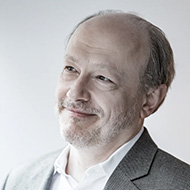
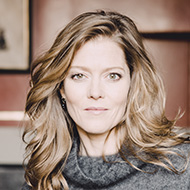
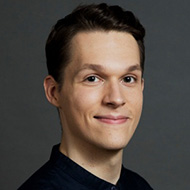
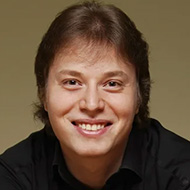
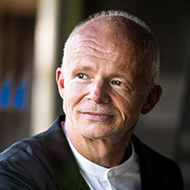
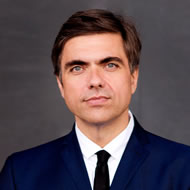
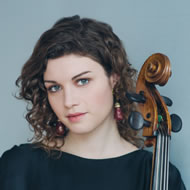
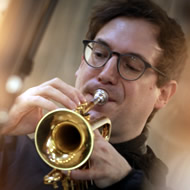
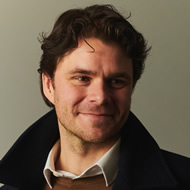
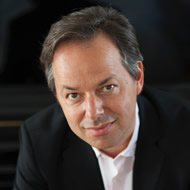
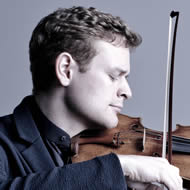
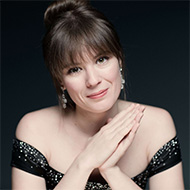
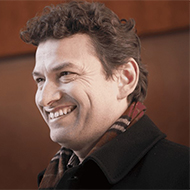
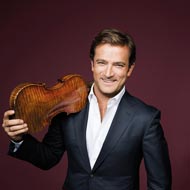
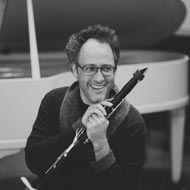
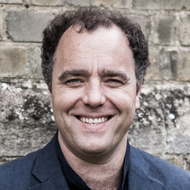
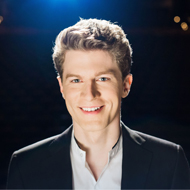
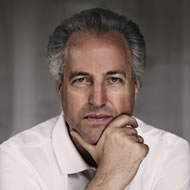
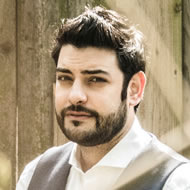
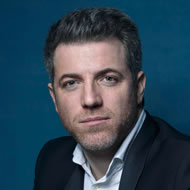
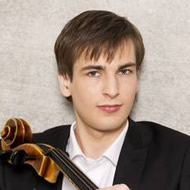
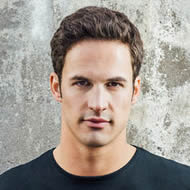
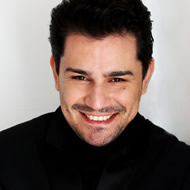
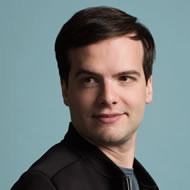
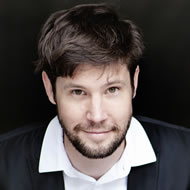
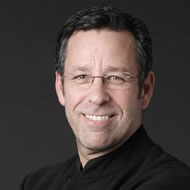
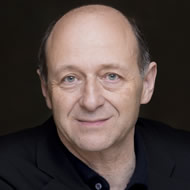
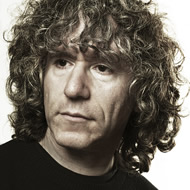
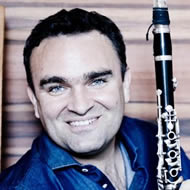
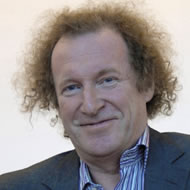
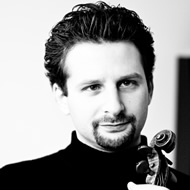
© Image: Maren Ulrich, Guido Werner & Flo Huber
February 21, 2027 - Konstantin Krimmel (baritone), Daniel Heide (piano)
March 25, 2027 - J.S. Bach: St. Matthew Passion BWV 244
March 26, 2027 - J.S. Bach: St.
2027 - J.S. Bach: St. Matthew Passion BWV 244
March 31, 2027 - Konstantin Krimmel (baritone), Ammiel Bushakevitz (piano)
April 2, 2027 - Konstantin Krimmel (baritone), Ammiel Bushakevitz (piano)
April 5, 2027 - Konstantin Krimmel (baritone), Ammiel Bushakevitz (piano)
April 8, 2027 - Konstantin Krimmel (baritone), Ammiel Bushakevitz (piano) Maren Ulrich (recitation)
April 11, 2027 - Konstantin Krimmel (baritone), Ammiel Bushakevitz (piano), Maren Ulrich (recitation)
April 16, 2027 - Konstantin Krimmel (baritone), Ammiel Bushakevitz (piano), Maren Ulrich (recitation)
May 4, 2027 - Schumann: Scenes from Goethe's Faust WoO3
May 21, 2027 - Konstantin Krimmel (baritone), Ammiel Bushakevitz (piano)
May 23, 2027 - Konstantin Krimmel (baritone), Ammiel Bushakevitz (piano)
June 22, 2027 - Konstantin Krimmel (baritone), Wolfram Rieger (piano), Brigitte Fassbaender (recitation)
July 7, 2027 - Konstantin Krimmel (baritone), Ammiel Bushakevitz (Piano)
29.08.2027 - Konstantin Krimmel (Baritone), Marcelo Amaral (Piano)




























































Do you want to attract more visitors to your concerts?
Find out more about the possibilities this portal offers.
With a concert search subscription, you will receive an email for your selected cantons/federal states as soon as a new concert is listed there. You can unsubscribe from the service at any time.
