




Titus Orchestra Basel
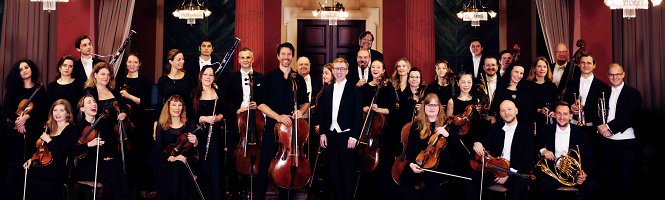
Many musicians live in the Bruderholz district of Basel, some of whom have known each other since their training. So the idea of founding an orchestra together with experienced amateur and professional musicians was a natural one. In January 2003, the time had come: Amateurs – some of whom are still members of the orchestra today – and professional musicians gathered for their first rehearsal, with Irene Lukanow Sutter as concertmaster. Jeannette Winkler took over the direction and organization. Besides a symphony by W. Boyce and a concerto grosso by Vivaldi, the then 16-year-old Dominik Zinsstag was the orchestra's first soloist, performing a Mozart horn concerto. Graphic designer Daniel Vetsch created the program template, which is still in use today.
Initially, the professional musicians were only scheduled to join for the final few rehearsals and the concert itself, providing support and ensuring the program's success. However, it soon became clear that regular, intensive rehearsals with the concertmaster were able to steadily improve the musical performance. Tamami Hickel took over this role in January 2006. The orchestra's musical development soon called for a correspondingly professional conductor. Raphael Immoos was engaged for the final phase of a single concert in April 2008, after which he passed the baton to conductor Beat Kunz. Thanks to Kunz's experience, knowledge, and familiarity with orchestral repertoire, several lesser-known works were performed alongside familiar pieces. The wind section expanded accordingly from a guest musician to a permanent member (wind section coordinator: Claudia Löw). From its 12th concert in June 2012, the orchestra adopted the new name Titus Orchestra. In 2015, it joined the Swiss Orchestral Association (EOV), and in 2016, it reorganized as a registered association.
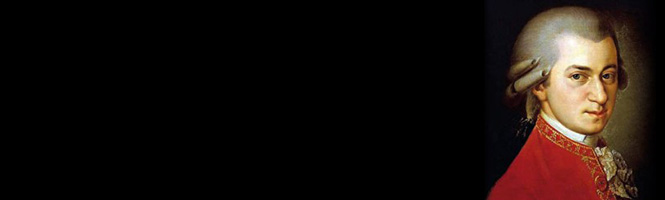
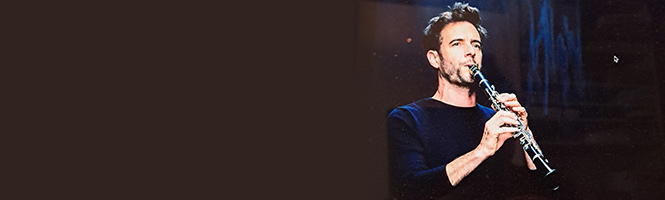
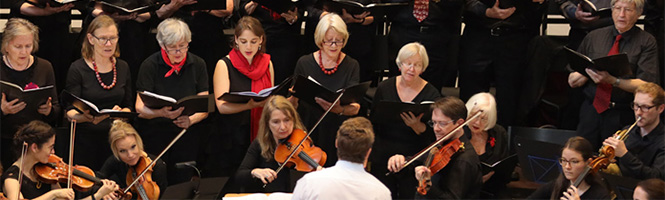
The Titus Orchestra has remained true to its concept of performing mostly hour-long concerts from the orchestral repertoire, each accompanied by a solo concerto. Initially, the aim was to offer highly gifted young people the opportunity to perform as soloists; now, it is primarily students or trained young musicians who are given a platform to perform. Every two to three years, the Titus Orchestra performs a choral work with the Titus Choir. Unforgettable are the great works such as Charpentier's Te Deum, Handel's Messiah, Haydn's The Creation, and Mozart's Requiem. But many orchestral works are also unforgettable for the musicians – Beethoven's Piano Concerto No. 1 and Schubert's Symphony No. 2 are just a few examples.
Initially, the professional musicians were only scheduled to join for the final few rehearsals and the concert itself, providing support and ensuring the program's success. However, it soon became clear that regular, intensive rehearsals with the concertmaster were able to steadily improve the musical performance. Tamami Hickel took over this role in January 2006. The orchestra's musical development soon called for a correspondingly professional conductor. Raphael Immoos was engaged for the final phase of a single concert in April 2008, after which he passed the baton to conductor Beat Kunz. Thanks to Kunz's experience, knowledge, and familiarity with orchestral repertoire, several lesser-known works were performed alongside familiar pieces. The wind section expanded accordingly from a guest musician to a permanent member (wind section coordinator: Claudia Löw). From its 12th concert in June 2012, the orchestra adopted the new name Titus Orchestra. In 2015, it joined the Swiss Orchestral Association (EOV), and in 2016, it reorganized as a registered association.
The Titus Orchestra has remained true to its concept of performing mostly hour-long concerts from the orchestral repertoire, each accompanied by a solo concerto. Initially, the aim was to offer highly gifted young people the opportunity to perform as soloists; now, it is primarily students or trained young musicians who are given a platform to perform. Every two to three years, the Titus Orchestra performs a choral work with the Titus Choir. Unforgettable are the great works such as Charpentier's Te Deum, Handel's Messiah, Haydn's The Creation, and Mozart's Requiem. But many orchestral works are also unforgettable for the musicians – Beethoven's Piano Concerto No. 1 and Schubert's Symphony No. 2 are just a few examples.
