

Francesco Maria Veracini
1690–1768
Life
Francesco Maria Veracini was born in Florence in 1690 and died there in 1768. He came from a musical family and received his first training from his uncle Antonio Veracini. After periods in Florence and Venice, he travelled to London for the first time in 1714, where he performed as a soloist. From 1717 he worked at the Dresden court, where he served as chamber composer to the Electoral Prince Friedrich August. Shortly before leaving Dresden, in August 1722 he jumped from an upper-storey window, but survived the fall. In 1723 he returned to Florence; in 1733 he was drawn to London once again, where he worked for the opera stage.
Works and Style
Veracini's instrumental music is virtuosic and highly individual. His early sonatas take Arcangelo Corelli as their model, but dissolve the strict division between church and chamber sonata and hint at recapitulations at the ends of movements that look beyond their time. He increasingly rejected the emerging homophony, which is why he did not pursue the path towards Classicism in his late works.
His treatise Trionfo della pratica musicale is also valuable, offering insights into conducting practice in the first half of the 18th century. His vocal music comprises several operas and oratorios, many of which are lost; today he is known above all for his instrumental works.
Well-Known Works
His main work is the Sonate accademiche op. 2, twelve sonatas published in 1744 that combine virtuosic double-stopping, artful counterpoint and dance movements. The collection is often read as a kind of musical autobiography, in which the stations of Florence, London and Dresden are reflected. His earlier collection op. 1 was published in Dresden in 1721. From his London period come operas such as Adriano in Siria (1735) and La Clemenza di Tito (1737).
Concert Life Today
Veracini's sonatas are present above all in the sphere of historically informed performance practice. In Coburg, he appears in September 2026 in the Riesensaal of Schloss Ehrenburg, where the Hofkapelle München with Rüdiger Lotter, Isabella Bison and Johannes König complement works by Corelli, Platti and Vivaldi. At the Pierre Boulez Saal in Berlin, programmes in April and May 2027 feature works by the Bach family, Corelli, Telemann and Vivaldi, in each of which Veracini is represented; in May, Nils Mönkemeyer and Andreas Arend perform there. In the Stiftskirche of Stift Stams in Tyrol, one of his sonatas is performed in September 2026 as part of a festival ensemble. In July 2026 he can be heard in the St.-Nicolai-Kirche in Wittmund, when Dorothee Oberlinger and Maurice Steger present Baroque sonatas from Italy and England with lute and harpsichord.
Upcoming concerts featuring works by Francesco Maria Veracini
Saturday 3 April
19:00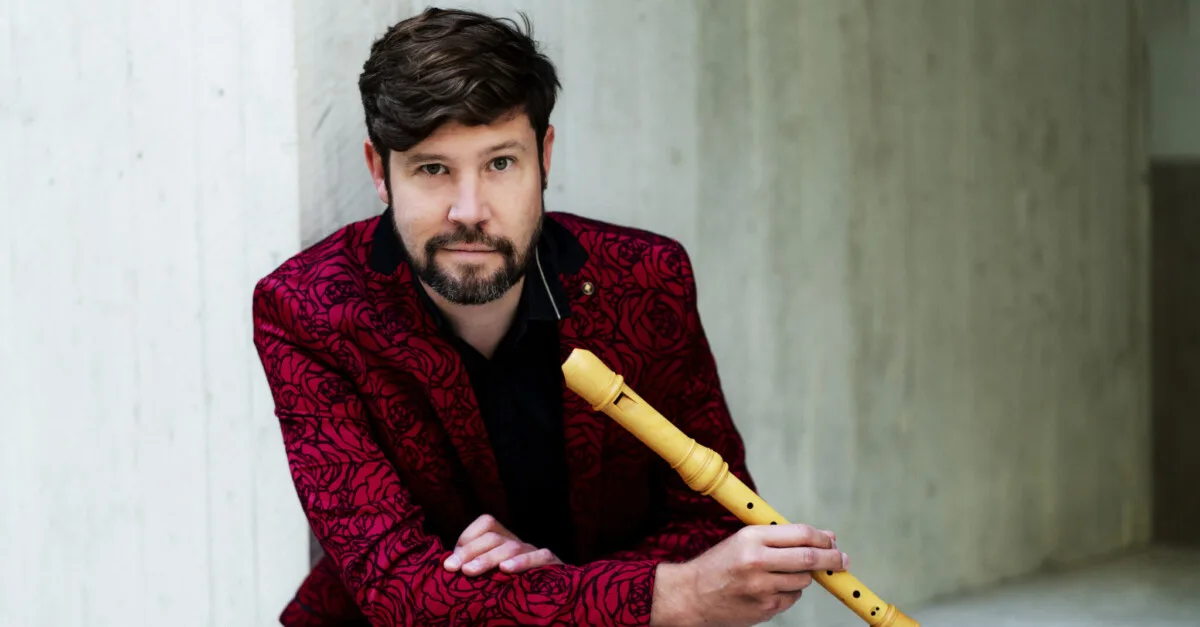 Stefan Temmingh (recorder), Mathis Wolfer (flute), Konstanze Waidosch (cello), Margret Koell (harp), Julius Lorscheider (piano)Stefan Temmingh (Flöte) Mathis Wolfer (Flöte) Konstanze Waidosch (Violoncello) Margret Koell (Harfe) Julius Lorscheider (Klavier)Pierre Boulez Saal Berlin, Berlin
Thursday 13 May
19:30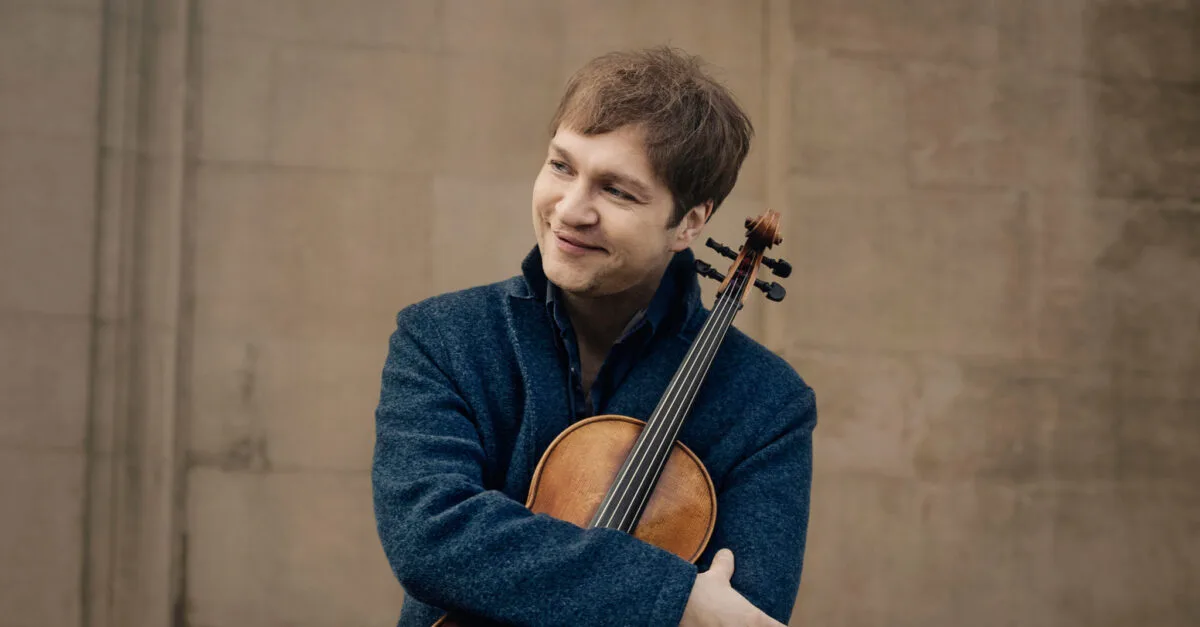 Nils Mönkemeyer (viola), Matthias Bergmann (cello), Andreas Arend (theorbo), Sabine Erdmann (harpsichord)Nils Mönkemeyer (Viola) Matthias Bergmann (Violoncello) Andreas Arend (Theorbe) Sabine Erdmann (Cembalo)Pierre Boulez Saal Berlin, Berlin