

Zoltán Kodály
1882–1967
Life
Zoltán Kodály was born in Kecskemét on 16 December 1882 and died in Budapest in 1967. His first access to music came within the family home: from his father, a gifted amateur musician, the son learned the basic concepts of music. From 1900 he studied composition with Hans von Koessler in Budapest at the academy of music, which later bore his name. As early as 1905 he began, together with Béla Bartók, to research Hungarian folk music systematically, and Kodály collected more than 3,500 Hungarian folk songs. Between 1906 and 1907 he stayed in Paris and Berlin, where he became acquainted with the music of Debussy. From 1907 he taught music theory at the Budapest Academy at first, and later composition as well.
His international breakthrough came relatively late, with the premiere of the "Psalmus Hungaricus, Op. 13" in 1923. Alongside composing, he became a reformer of Hungarian music education, turned his attention to the education of young people and initiated fundamental reforms of music teaching.
Works and Style
Kodály's output is closely bound up with Hungarian folk music. He worked the melody and rhythm of folk songs into an independent, colourful musical idiom that was at the same time inspired by the French Impressionists. He did not regard his research as opposed to composition but as its foundation. His pedagogical works, such as exercise pieces and pieces for children's choir, also belong to his output; they aim at teaching people to sing and to read music.
Well-Known Works
Among his best-known compositions is the Psalmus Hungaricus, Op. 13, an oratorio for tenor, choir, orchestra and organ. Equally popular is the singspiel Háry János (1926; 1927 as a suite), whose orchestral suite regularly appears on concert programmes. The Dances of Galánta and the Marosszék Dances are also widely known. The Galánta Dances take their name from the town where Kodály spent part of his school years.
Concert Life Today
In winter and spring 2027, Kodály is present above all with his orchestral pieces. The Dances of Galánta will be heard at the New Year's Concert in the Konzerthaus Berlin, in the Neuhaussaal in Regensburg, in the Kölner Philharmonie with the WDR Sinfonieorchester under Juraj Valčuha, and in Oldenburg, Düsseldorf and Hamburg; in the Laeiszhalle Hamburg the piece accompanies Prokofiev's Second Violin Concerto, and in the Tonhalle Düsseldorf Bartók and Ravel are programmed alongside it. The Háry János Suite is performed by the Beethoven Orchester Bonn under Kevin John Edusei in the Beethovenhalle, and in the White Hall of the Neues Schloss in Stuttgart an intermezzo from Kodály's chamber works is heard in the company of pieces by Liszt and Bartók. In chamber music, the Duo, Op. 7 can be heard at the Händel-Haus Halle with Ying Zhang and Jordi Albelda Santamargarita.
Upcoming concerts featuring works by Zoltán Kodály
Friday 1 January
16:00NeujahrskonzertBruce Liu (Klavier) Konzerthausorchester Berlin Anja Bihlmaier (Leitung)Konzerthaus Berlin17:00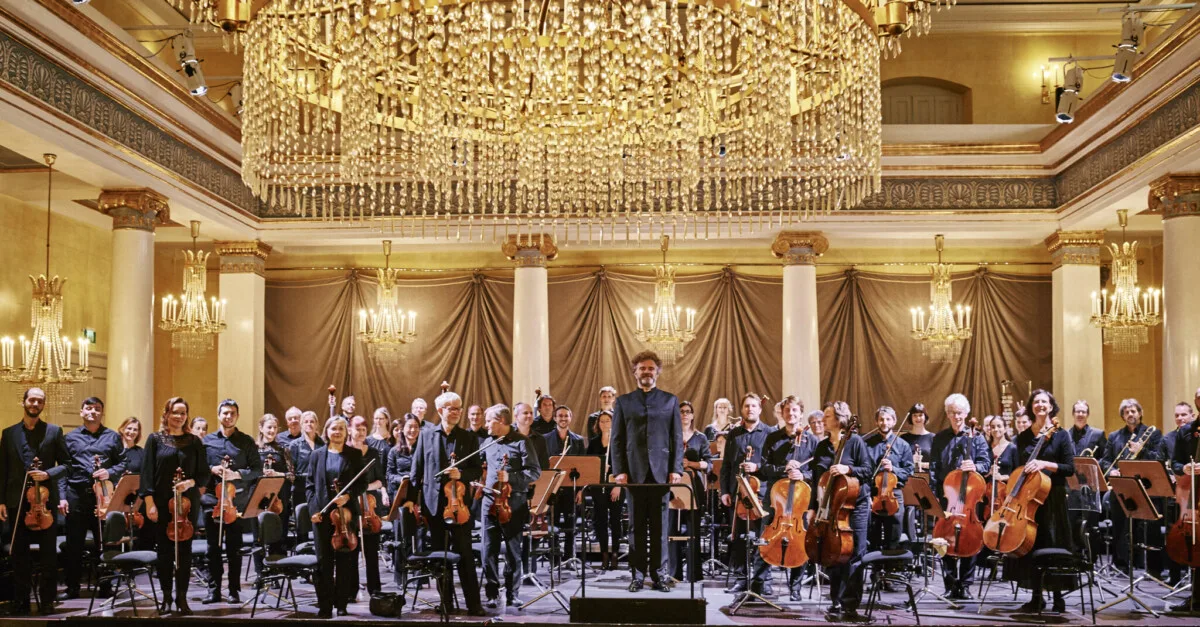 Philharmonisches Orchester Regensburg, Stefan Veselka (Leitung)Philharmonisches Orchester Regensburg Stefan Veselka (Leitung)Neuhaussaal, Regensburg
Friday 15 January
20:00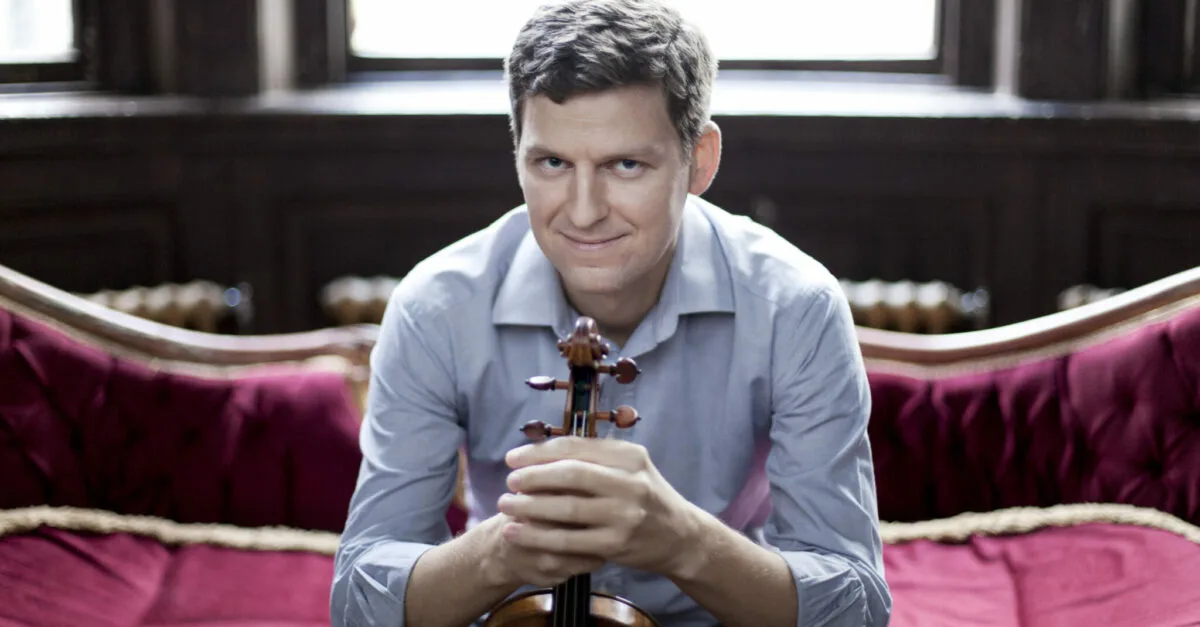 James Ehnes (Violine), WDR Sinfonieorchester, Juraj Valčuha (Leitung)James Ehnes (Violine) WDR Sinfonieorchester Juraj Valčuha (Leitung)Kölner Philharmonie, Köln
Saturday 16 January
19:00 WDR Sinfonieorchester, Juraj Valčuha (Leitung), Jan Malte Andresen (Moderation)WDR Sinfonieorchester Juraj Valčuha (Leitung) Jan Malte Andresen (Moderation)Kölner Philharmonie, Köln
Sunday 31 January
11:00Ying Zhang (Violine), Jordi Albelda Santamargarita (Violoncello)Ying Zhang (Violine) Jordi Albelda Santamargarita (Violoncello)Händel-Haus, Halle (Saale)Sunday 14 February
11:15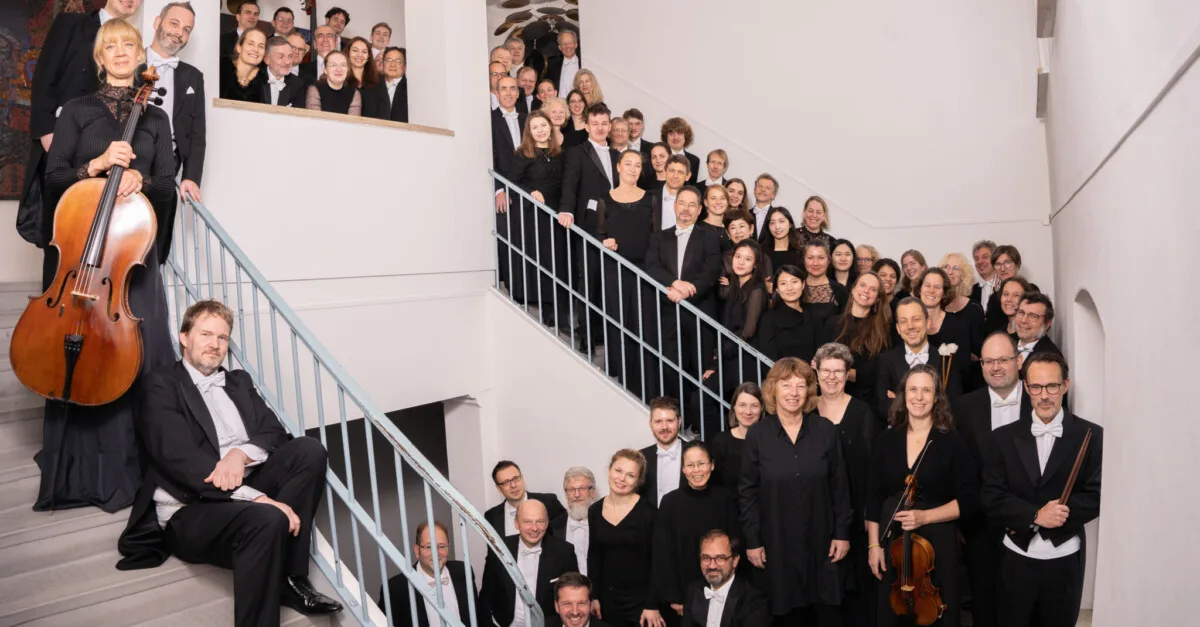 Oldenburgisches Staatsorchester, Margaryta Grynyvetska (Leitung)Oldenburgisches Staatsorchester Margaryta Grynyvetska (Leitung)Oldenburgisches Staatstheater, Oldenburg
Thursday 25 February
19:30Beethoven Orchester Bonn, Kevin John Edusei (Leitung), Bettina Böttinger (Moderation)Beethoven Orchester Bonn Kevin John Edusei (Leitung) Bettina Böttinger (Moderation)Beethovenhalle Bonn, BonnFriday 26 February
19:30Maximilian Hornung (Violoncello), Beethoven Orchester Bonn, Kevin John Edusei (Leitung)Maximilian Hornung (Violoncello) Beethoven Orchester Bonn Kevin John Edusei (Leitung)Beethovenhalle Bonn, BonnSunday 14 March
11:00Matvey Demin (Flöte), Ivo Ruf (Klarinette), Christian Ostertag (Violine), Yoerae Kim (Violine), Alexander Akimov (Viola), Zoltán Paulich (Viola), Konstanze Brenner (Kontrabass), Péter Nagy (Klavier)Matvey Demin (Flöte) Ivo Ruf (Klarinette) Christian Ostertag (Violine) Yoerae Kim (Violine) Alexander Akimov (Viola) Zoltán Paulich (Viola) Konstanze Brenner (Kontrabass) Péter Nagy (Klavier)Neues Schloss Stuttgart, Stuttgart (Weißer Saal)Sunday 21 March
16:30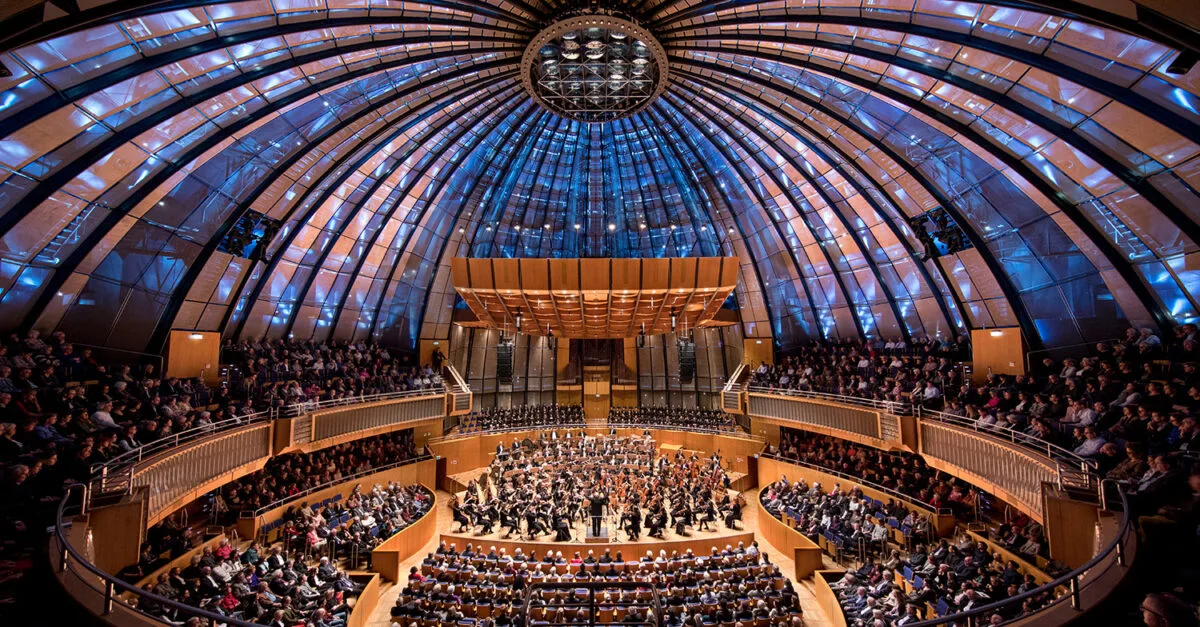 Alena Baeva (Violine), Düsseldorfer Symphoniker, Kristian Sallinen (Leitung), Maxi Schafroth (Moderation)Alena Baeva (Violine) Düsseldorfer Symphoniker Kristian Sallinen (Leitung) Maxi Schafroth (Moderation)Tonhalle Düsseldorf, Düsseldorf19:00
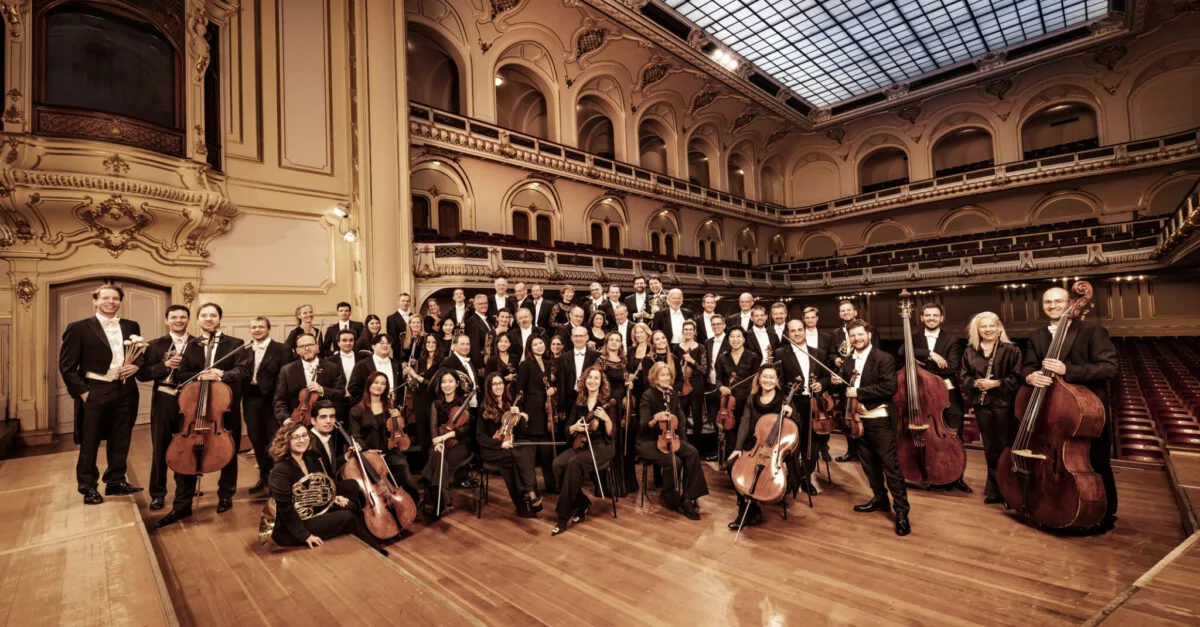 Liya Petrova (Violine), Symphoniker Hamburg, Jack Sheen (Leitung)Liya Petrova (Violine) Symphoniker Hamburg Jack Sheen (Leitung)Laeiszhalle, Hamburg (Großer Saal)
Monday 10 May
19:30FrühlingsquartettMusiker der Komischen Oper BerlinKomische Oper Berlin, Zuschauersaal, Berlin20:00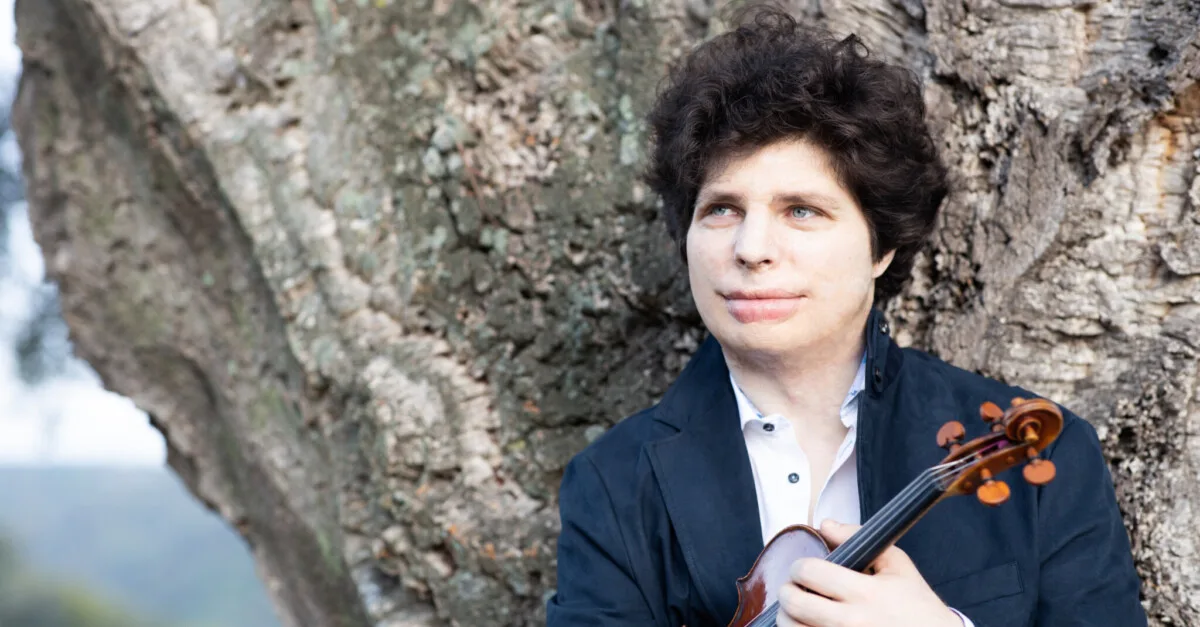 Augustin Hadelich (Violine), Marie-Elisabeth Hecker (Violoncello), Martin Helmchen (Klavier)Augustin Hadelich (Violine) Marie-Elisabeth Hecker (Violoncello) Martin Helmchen (Klavier)Laeiszhalle, Hamburg (Großer Saal)
Sunday 6 June
11:00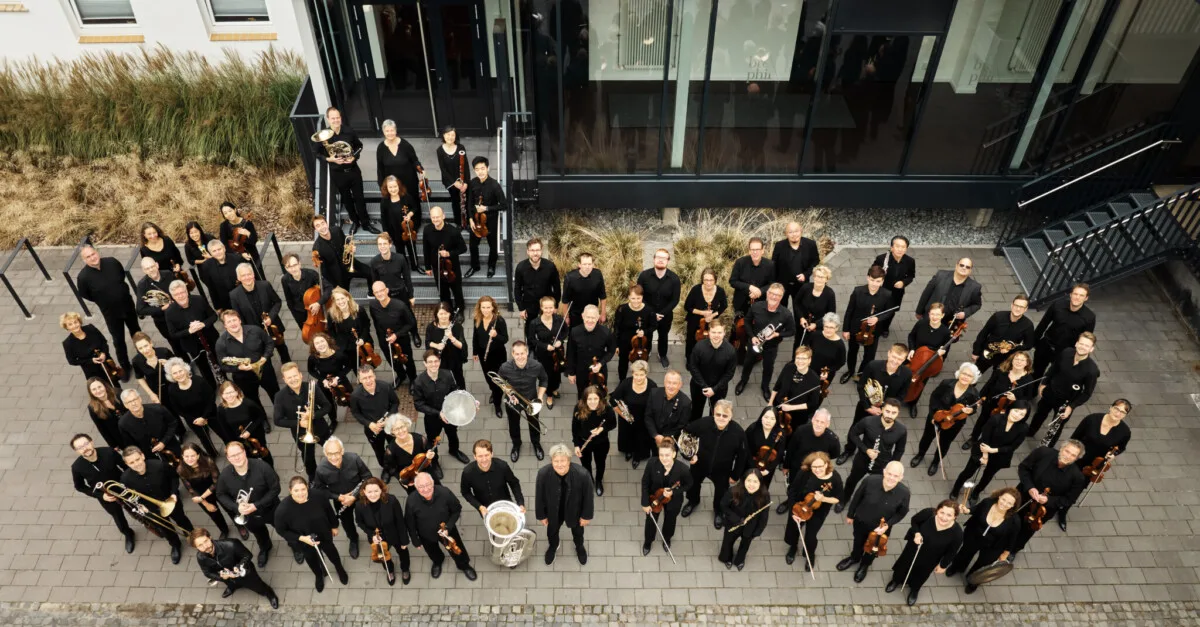 Kōtarō Fukuma (Klavier), Bremer Philharmoniker, Johanna Malangré (Leitung)Kōtarō Fukuma (Klavier) Bremer Philharmoniker Johanna Malangré (Leitung)Die Glocke Bremen, Bremen