

Karl Amadeus Hartmann
1905–1963
Life
Karl Amadeus Hartmann was born in 1905 in Munich and lived there for almost his entire life. He came from an artistic family: his three elder brothers became painters, and he too initially wavered between music and the visual arts. He studied composition in his home city from 1924 to 1929, including with Joseph Haas at the Munich Academy of Music. The encounter with the conductor Hermann Scherchen in 1929 became decisive and shaped him artistically.
During the Nazi era Hartmann withdrew into inner emigration, and his works were not permitted to be performed. In 1942 he took private lessons with Anton Webern in Vienna, although he later clearly distanced himself from the Second Viennese School. After the war he became a central figure in Munich's musical life: in September 1945 he took up the post of dramaturge at the Bavarian State Opera, which he held until his death.
Work and Style
Hartmann's music combines expressionist harshness, echoes of jazz and a formal language modelled on Bruckner and Mahler. He revised many of his works several times. After 1945 he reworked the majority of his pre-war pieces and removed political references in the process. His output is defined above all by his eight symphonies, which he created predominantly in the late 1940s and the 1950s.
Well-known Works
The best-known piece is the Concerto funebre for violin and strings, written in 1939 and fundamentally revised in 1959, whose ending stands out for its lyrical power. It draws on a Hussite chorale intended as a sign of hope. The Chamber Concerto for clarinet, string quartet and strings was already composed in 1935 but was only premiered in 1969. Alongside these stand the Fourth Symphony, scored for strings alone, and the symphonies in which Hartmann engages with Bartók-like rhythms.
Concert Life Today
The Concerto funebre is among the works regularly heard in German-speaking countries. In January 2027 the Fourth Symphony is on the programme at the Prinzregententheater in Munich, played by the Münchener Kammerorchester under Bas Wiegers with Leila Josefowicz. In April 2027 Isabelle Faust is heard with the same orchestra in the same venue, and in May 2027 Christian Tetzlaff plays the Concerto funebre with the Dresdner Philharmonie under Michael Sanderling at the Kulturpalast Dresden. In September 2027 a performance follows at the Oldenburgisches Staatstheater with the Oldenburgisches Staatsorchester.
The chamber music and concert series in Switzerland also keep his name alive. The ensemble CAMERATA BERN has combined Hartmann with Bach's The Art of Fugue in recent concert programmes in Bern, for example at the Zentrum Paul Klee. In Munich, the Karl Amadeus Hartmann-Gesellschaft also keeps the composer's memory alive.
Upcoming concerts featuring works by Karl Amadeus Hartmann
Thursday 28 January
20:00Leila Josefowicz (Violine), Münchener Kammerorchester, Bas Wiegers (Leitung)Leila Josefowicz (Violine) Münchener Kammerorchester Bas Wiegers (Leitung)Prinzregententheater München, MünchenSunday 7 March
17:00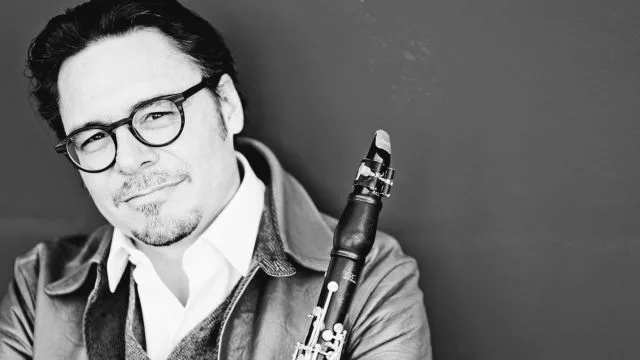 CAMERATA BERN | «Insgeheim»CAMERATA BERN · Reto Bieri - Leitung, Klarinette und Konzeption Janiv Oron - Audiodesign und Komposition Tabea Rothfuchs -Szenografie und Videodesign Markus Güdel - LichtdesignDampfzentrale Bern
Thursday 22 April
20:00Isabelle Faust (Violine), Münchener Kammerorchester, Daniel Giglberger (Leitung)Isabelle Faust (Violine) Münchener Kammerorchester Daniel Giglberger (Leitung)Prinzregententheater München, MünchenSaturday 8 May
19:00Christian Tetzlaff (Violine), Dresdner Philharmonie, Michael Sanderling (Leitung)Christian Tetzlaff (Violine) Dresdner Philharmonie Michael Sanderling (Leitung)Kulturpalast Dresden, DresdenMonday 13 September
11:15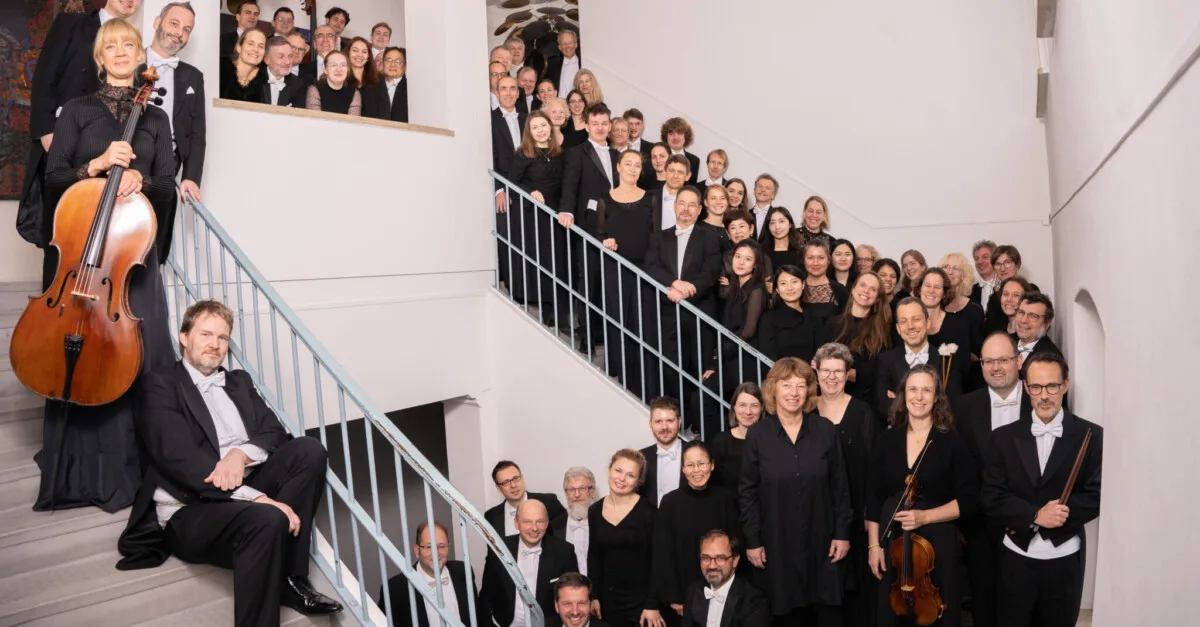 Lilia Pocitari (Violine), Oldenburgisches Staatsorchester, Leslie Suganandarajah (Leitung)Lilia Pocitari (Violine) Oldenburgisches Staatsorchester Leslie Suganandarajah (LeitungOldenburgisches Staatstheater, Oldenburg