

Johann Strauss
1825–1899
Life
Johann Strauss (II) was born on 25 October 1825 in Vienna and was the eldest son of the composer and conductor of the same name, Johann Strauss I. His father wished for him to have a respectable middle-class career, which is why the young man first worked as a bank clerk. In secret, he devoted himself to the violin and as early as 1844 led his own dance band in a Viennese venue. After his father's death in 1849, he merged his father's orchestra with his own; concert tours took him to Russia and England, among other places. In 1870 he handed over the leadership of his ensemble to his brothers Josef and Eduard in order to devote himself entirely to composing. He died on 3 June 1899 in Vienna.
Works and Style
Strauss took over the waltz that his father and Josef Lanner had shaped, and raised it to a new level. He gave the dance a symphonic coherence and a Romantic expressive power, so that his pieces hold their own in the concert hall as well. His melodic inventiveness, varied construction and generously conceived dance sequences with idiosyncratic titles continue to shape his image today. He also turned to operetta, modelling it on Offenbach and Suppé. After several less successful attempts, he achieved the great breakthrough on stage in 1874 with Die Fledermaus.
Well-Known Works
His best-known piece is the waltz "An der schönen blauen Donau" ("The Blue Danube"), which was first heard in 1867 as part of a concert of the Wiener Männergesang-Verein. "Wiener Blut" ("Viennese Blood"), "Rosen aus dem Süden" ("Roses from the South") and the "Kaiser-Walzer" ("Emperor Waltz") are also firmly part of the repertoire. Added to these are polkas such as "Unter Donner und Blitz" ("Thunder and Lightning") and the "Pizzicato-Polka". On stage, alongside Die Fledermaus, Der Zigeunerbaron ("The Gypsy Baron", 1885) is central to his output.
Concert Life Today
In the 2026/27 winter programme, Strauss's music can be heard in numerous halls across northern and southern Germany, Switzerland and Austria. At the Stuttgarter Liederhalle, "An der schönen blauen Donau" is performed by the Stuttgarter Philharmoniker under Mariano Chiacchiarini, together with Mozart's Piano Concerto K. 466 and Brahms's Third Symphony. In Schaffhausen, the overture to Die Fledermaus is on the programme at the Reformierte Kirche St. Johann, alongside Lehár and Beethoven. At the Wiener Konzerthaus, Strauss features both in the New Year's concert "Happy New Year!" and in the programme "Swing Meets Classic". The K&K Philharmoniker under Matthias Georg Kendlinger also devote an evening to him at the Berliner Konzerthaus, placing the Strauss dynasty at the centre. Further venues include the Theater Duisburg with the Duisburger Philharmoniker, the Theater Dortmund with the Dortmunder Philharmoniker, the Jenaer Philharmonie in Weißenfels and the Konzerthalle Bamberg. In chamber music, he appears with the Canadian Brass in Bielefeld and Freiburg as well as in Jena.
Upcoming concerts featuring works by Johann Strauss
Friday 27 November
19:30Jeneba Kanneh-Mason (Klavier), Stuttgarter Philharmoniker, Mariano Chiacchiarini (Leitung)Jeneba Kanneh-Mason (Klavier) Stuttgarter Philharmoniker Mariano Chiacchiarini (Leitung)Liederhalle, Stuttgart (Beethoven-Saal)Thursday 31 December
19:30Wenn Gedanken Flügel tragenKammersymphonie Berlin Jürgen Bruns (Leitung)Neue Kirche, KleinmachnowTuesday 5 January
19:30Wiener Johann Strauß Konzert-GalaKendlingers K&K Ballett Kendlingers K&K Philharmoniker Matthias Georg Kendlinger (Leitung)Liederhalle, Stuttgart (Beethoven-Saal)Friday 8 January
19:00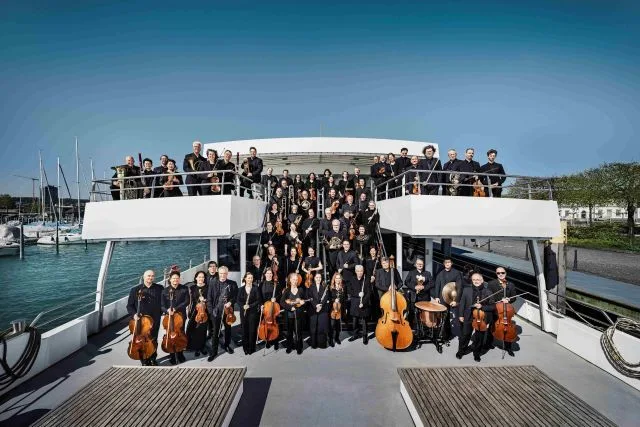 Schaffhausen Klassik Konzert 3: «CELEBRATE!»Bodensee-Philharmonie Konstanz · Gabriel VenzagoReformierte Kirche St. Johann, Schaffhausen19:30
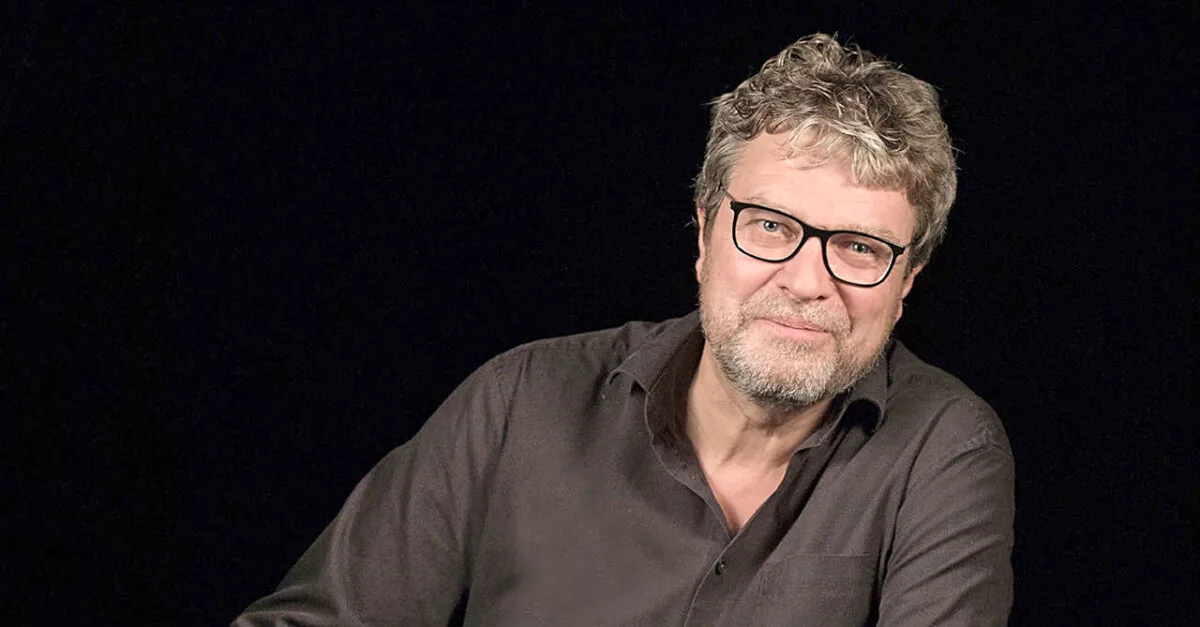 NeujahrskonzertBrandenburger Symphoniker Andreas Spering (Leitung)Brandenburger Theater, Brandenburg (Havel), Brandenburg an der Havel
Sunday 10 January
10:30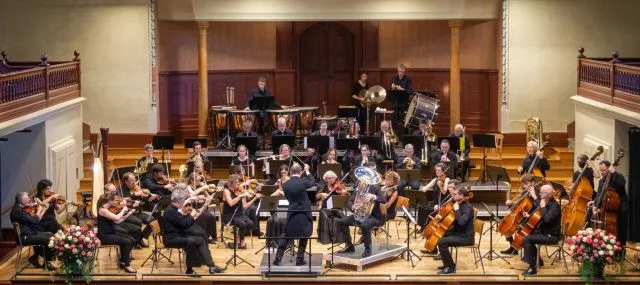 Konzert des Stadtorchesters Solothurn - Matinée zum Neuen JahrStadtorchester Solothurn · Harald SiegelKonzertsaal, Solothurn11:00Katerina Beranova (Sopran), Claus Durstewitz (Tenor), Ungarische Kammerphilharmonie, Antal Barnas (Leitung)Katerina Beranova (Sopran) Claus Durstewitz (Tenor) Ungarische Kammerphilharmonie Antal Barnas (Leitung)Palais Schloss, Wachenheim (Weinstr.)11:00Mitglieder der Duisburger PhilharmonikerMitglieder der Duisburger Philharmoniker Tonio Schibel (Violine & Leitung)Theater Duisburg – Deutsche Oper am Rhein, Duisburg
Monday 18 January
16:00K&K Philharmoniker, Matthias Georg Kendlinger (Leitung)K&K Philharmoniker Matthias Georg Kendlinger (Leitung)Konzerthaus BerlinWednesday 20 January
20:00Canadian BrassCanadian BrassRudolf-Oetker-Halle, BielefeldFriday 22 January
19:30Canadian BrassCanadian BrassMozart-Saal | Kultur- und Kongresszentrum Liederhalle, StuttgartSunday 24 January
19:00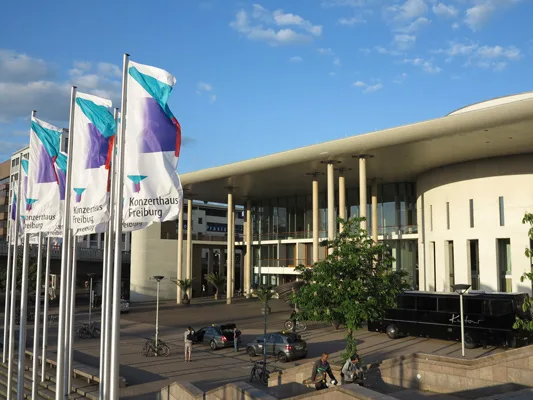 Canadian BrassCanadian BrassKonzerthaus Freiburg, Freiburg, Freiburg im Breisgau
Tuesday 26 January
19:30Happy New Year!Canadian BrassWiener KonzerthausSunday 31 January
11:00Johannes Tauber (Violine), Cornelius Spaeth (Violine), Christian Götz (Viola), Alexander Brühl (Kontrabass), Alexander Wegelin (Violoncello), Roland Schaetz (Klavier)Johannes Tauber (Violine) Cornelius Spaeth (Violine) Christian Götz (Viola) Alexander Brühl (Kontrabass) Alexander Wegelin (Violoncello) Roland Schaetz (Klavier)Hotel Schwarzer Bär, JenaSunday 14 February
19:00Swing Meets ClassicElisabeth Heller (voices) Florian Frühbeiss (voices & Moderation) Gerhard Aflenzer Broadway Big Band Barbara Ortner Streicherensemble Gerhard Aflenzer (Leitung)Wiener KonzerthausSaturday 20 February
18:00Nicht nur alles WalzerLuca Monti (Klavier) RaSumOvsky Ensemble WienKulturfabrik, Hainburg an der DonauSunday 14 March
11:00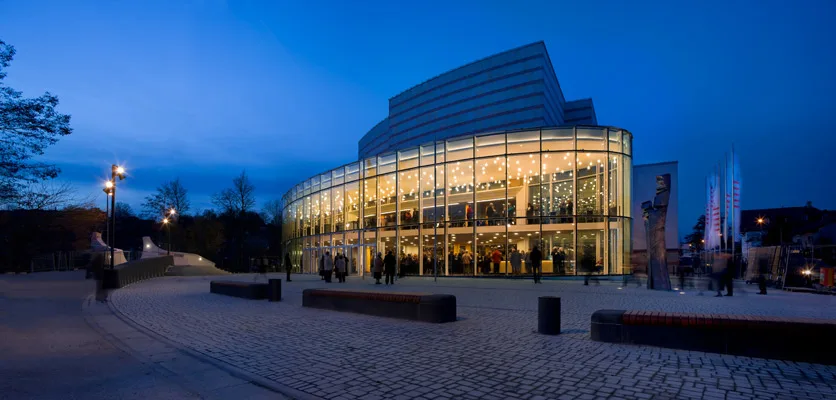 Leichte Klassik für alle Menschen mit und ohne Behinderung oder BeeinträchtigungDagmar Puttkammer (Violine) Beate Roux (Klavier) Mitglieder der Bamberger SymphonikerKonzerthalle Bamberg, Bamberg (Joseph-Keilberth-Saal)
Sunday 21 March
16:00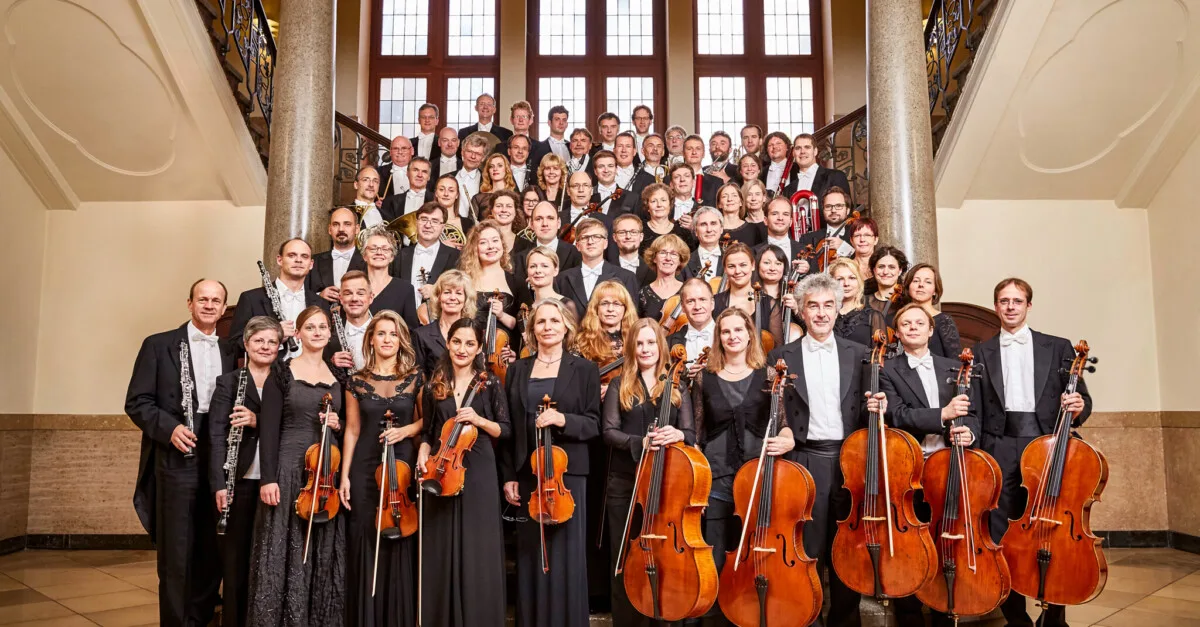 János Mátyás Stark (Violine), Jenaer Philharmonie, Thomas Wicklein (Leitung)János Mátyás Stark (Violine) Jenaer Philharmonie Thomas Wicklein (Leitung)Kulturhaus, Weißenfels