

Iannis Xenakis
1922–2001
Life
Iannis Xenakis was born in 1922 in Brăila, Romania, to Greek parents. He completed his engineering studies in Athens. He then worked in Paris in the office of the architect Le Corbusier, first as an engineer and later on major projects such as the La Tourette monastery and the Philips Pavilion at the 1958 World Exhibition. He began serious musical training only at the age of almost thirty, studying with Olivier Messiaen among others. After leaving the architectural office in 1959, he supported himself through composition and teaching, and soon became one of the most important European composers of his time. He died in Paris in 2001.
Works and Style
Xenakis was guided by mathematical and acoustic orders. From the mid-1950s onward, he developed so-called stochastic music from random processes such as rain or crowds. He also transferred methods from game theory, set theory and number theory to his scores. For his orchestral work Metastaseis he wrote string parts in which each musician plays an individual line, and he used glissandi as a means of shaping. With the UPIC computer system, which he perfected in 1979, graphically drawn material could be converted directly into sound. In the Polytopes he combined music with light and spatial projections.
Well-known Works
Among the most frequently performed compositions are Metastaseis (1953/54) and Pithoprakta, which caused a sensation in the 1950s. For percussion came Psappha (1975) and Pléiades (1979). With Terretektorh (1966) he explored the spatial distribution of the musicians among the audience. The electronic work Mycenae Alpha (1978), created with the UPIC, is also among his central pieces. In 1997 Xenakis received the Kyoto Prize, and in 1999 the Polar Music Prize.
Concert Life Today
In the event calendar of Classicpoint.net, Xenakis is present above all in Hamburg. In the Elbphilharmonie, his work Okho is on the programme in April 2027 for the evening «Revolution», which, among others, sets Kagel and Shostakovich side by side. In May 2027 the Grosser Saal of the same concert hall hosts an event with Marie Maidowski, Martin Gerke and further soloists, in which Kassandra & Zyia is performed together with a world premiere by Florian Weber. Also in January 2027, Dhipli Zyia is on the programme of the Nikolaisaal in Potsdam, alongside works by Messiaen, Boulez and Stockhausen. Anyone who wishes to hear the music in the region will therefore find it mainly in large concert halls with a focus on contemporary music, while in Hamburg an organ event in the Hauptkirche St. Nikolai and, in Bavaria, a percussion evening at the Rauchalm were already past dates.
Upcoming concerts featuring works by Iannis Xenakis
Wednesday 13 January
20:00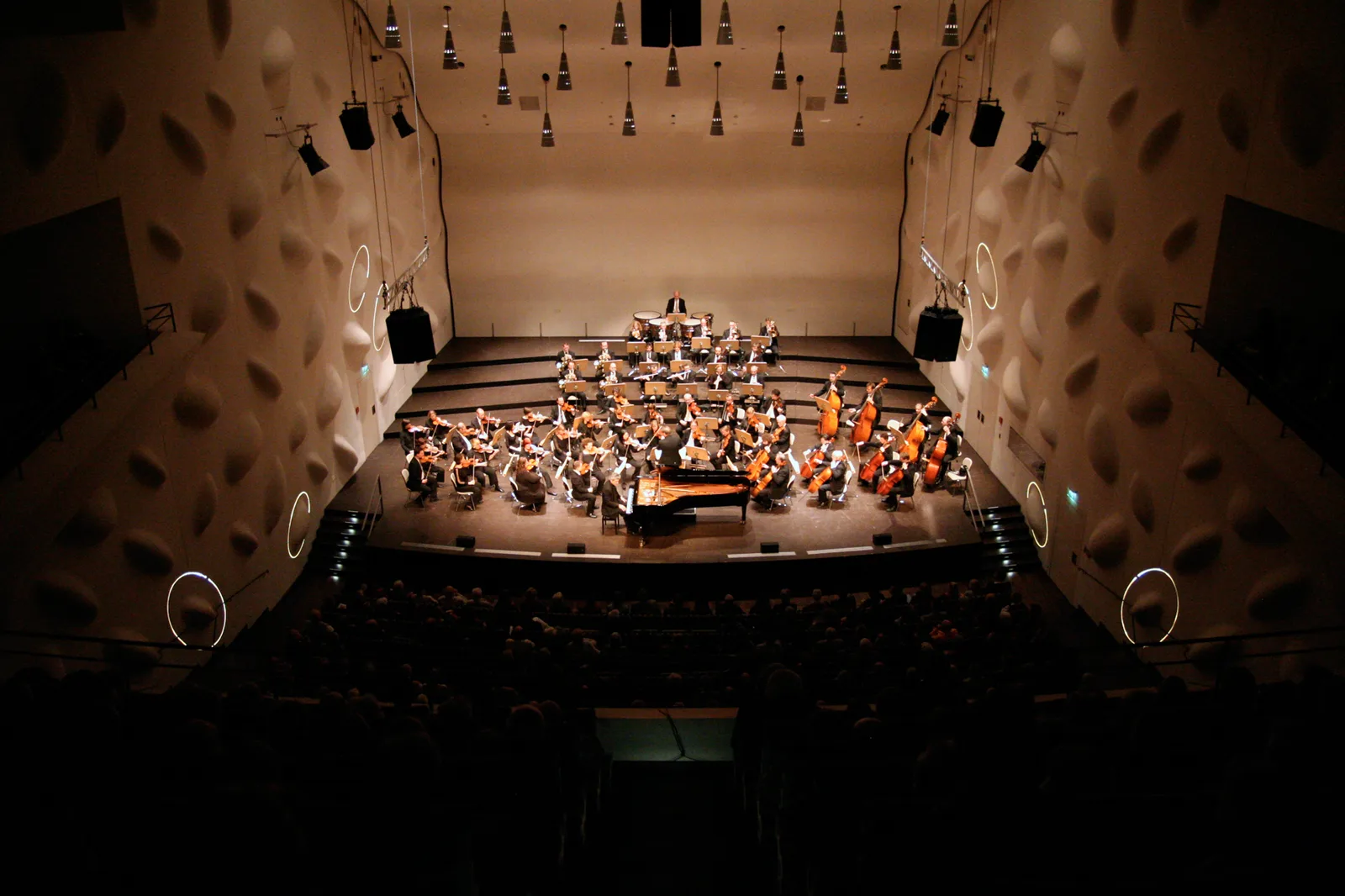 Liturgy of CrystalKAPmodern EnsembleNikolaisaal Potsdam, Potsdam
Sunday 4 April
11:00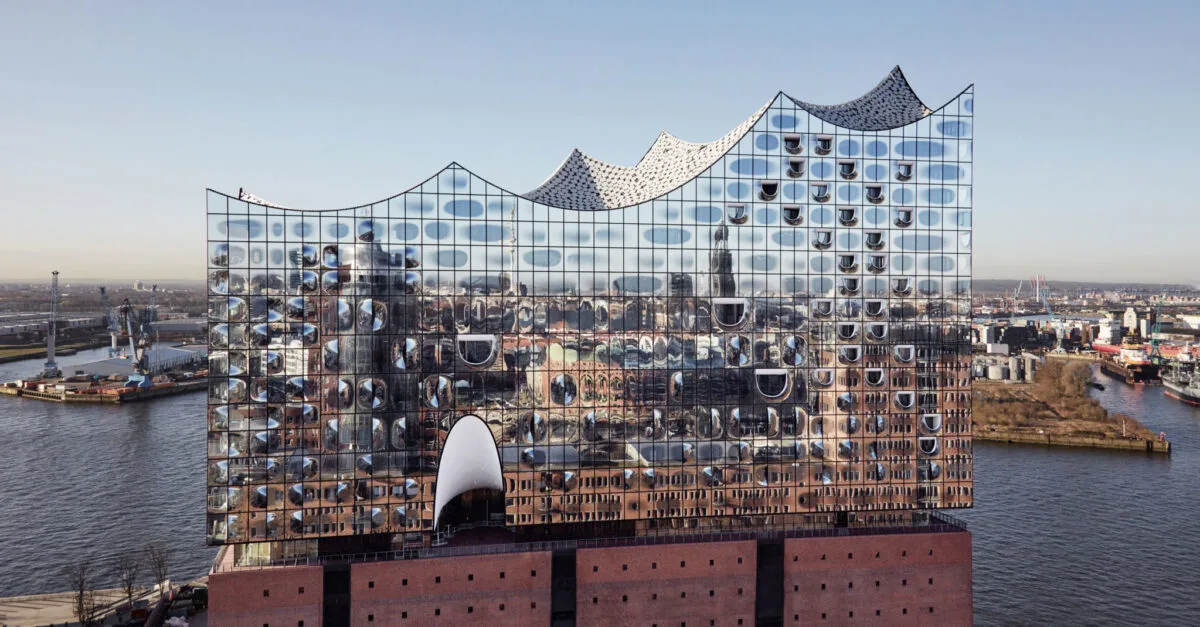 RevolutionHugo Moinet (Violine) Ryuichi Rainer Suzuki (Violoncello) Brian Barker (Schlagwerk) Jesper Tjærby Korneliusen (Schlagwerk) Matthias Schurr (Schlagwerk) Fabian Otten (Schlagwerk) Georgiy Dubko (Klavier)Elbphilharmonie, Hamburg (Großer Saal)
Monday 5 April
18:00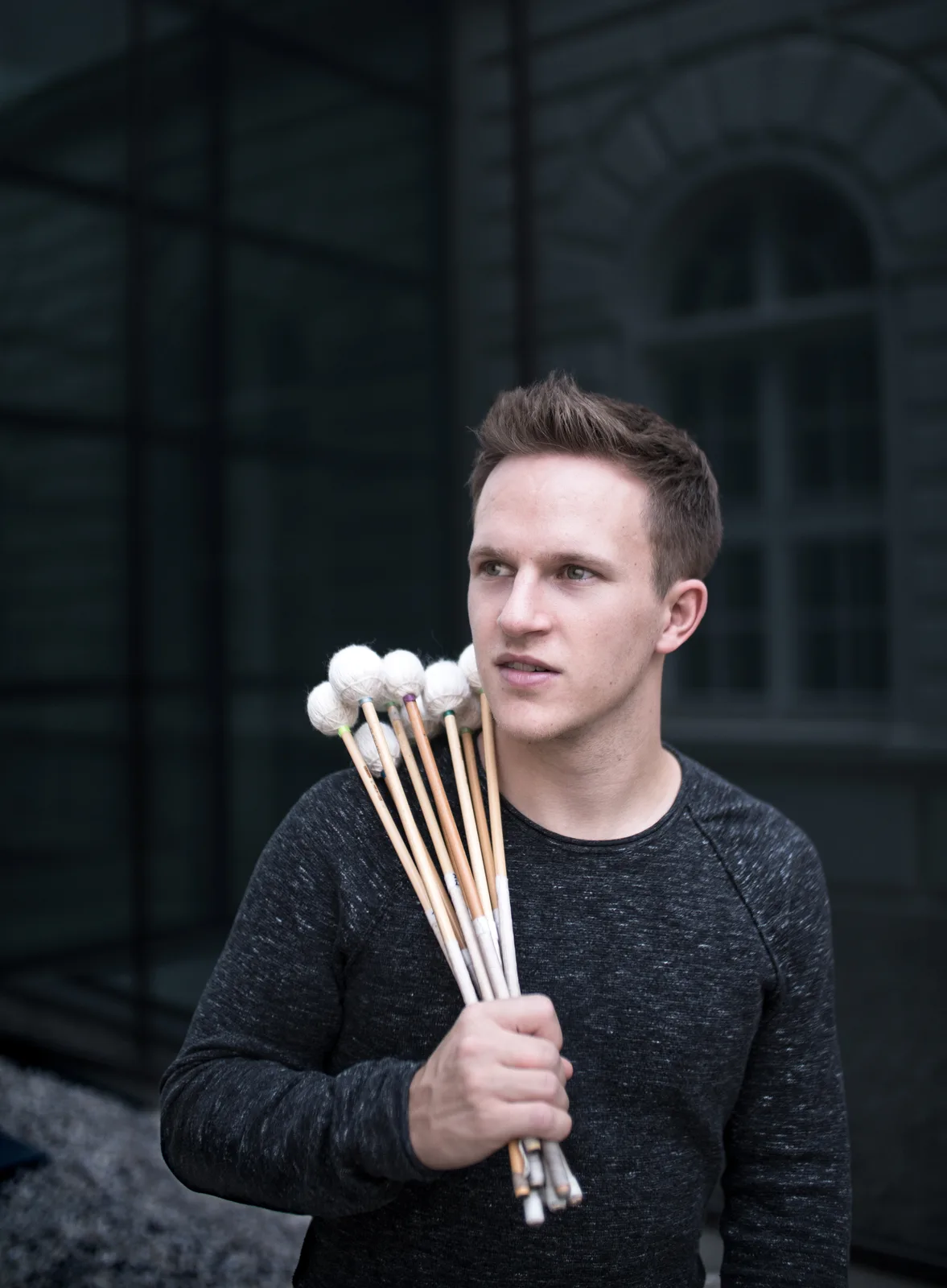 Christoph Sietzen (percussion)Christoph Sietzen (Percussion)Musikverein Wien
Saturday 1 May
19:30Marie Maidowski (soprano), Martin Gerke (baritone), Jürgen Franz (flute), Percy Pursglove (trumpet), Luigi Grasso (baritone saxophone), Nils Wogram (trombone), Florian Weber (piano), Mariana Popova (piano)Marie Maidowski (Sopran) Martin Gerke (Bariton) Jürgen Franz (Flöte) Percy Pursglove (Trompete) Luigi Grasso (Baritonsaxofon) Nils Wogram (Posaune) Florian Weber (Klavier) Mariana Popova (Klavier)Elbphilharmonie, Hamburg (Großer Saal)Sunday 2 May
20:00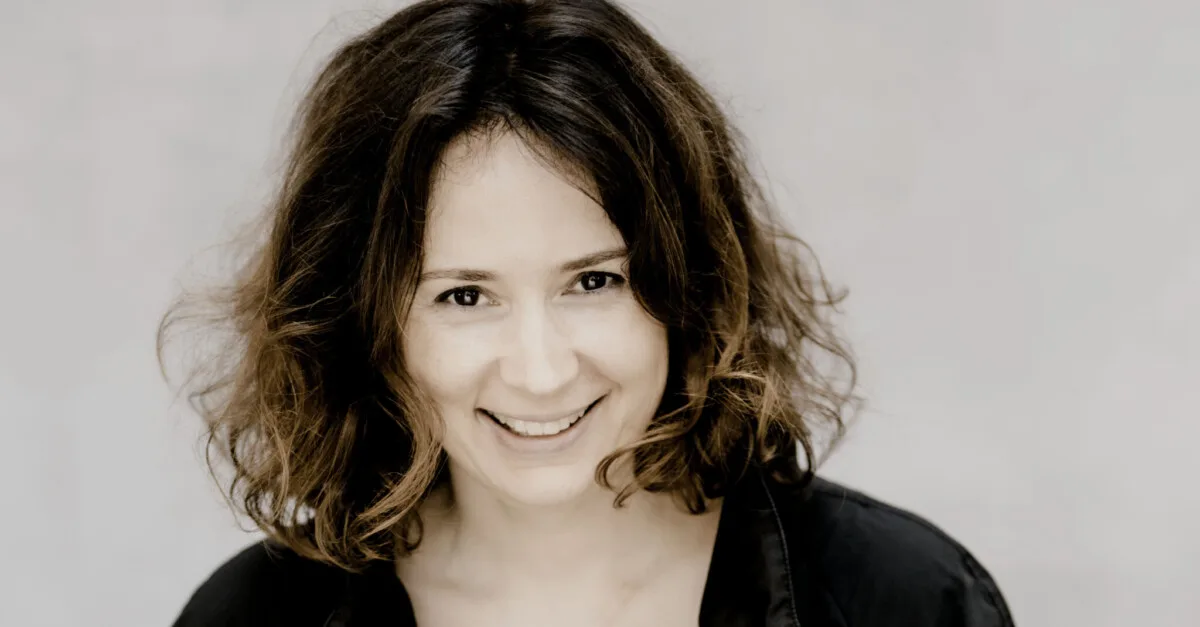 PrometheusJoonas Ahonen (Klavier & Cembalo) Ensemble Resonanz Patricia Kopatchinskaja (Violine, Rezitation & Leitung)Elbphilharmonie, Hamburg (Großer Saal)