

Guillaume de Machaut
1300–1377
Life
Guillaume de Machaut, also spelled Machault, was born around 1300 in Champagne, probably near Reims. His career began in the circle of King John of Bohemia, whom he served as a clergyman and secretary and on whose travels he came to know many countries. From 1337 he was a canon of Reims Cathedral, where he settled around 1340. In his final years he continued to work on his compositions in Reims before he died in 1377, probably in April.
Works and Style
Machaut is regarded as a central figure of the Ars nova, that movement of 14th-century music which produced new rhythmic and polyphonic techniques. He combined the art of the poet with that of the composer and helped shape the fixed song forms of ballade, rondeau and virelai. His motets employ isorhythm, that is, recurring rhythmic patterns, while his secular songs closely интегрируют text and music. His output ranges from extensive masses to short songs, and much of it bears an unmistakable hallmark.
Well-Known Works
The most famous is the Messe de Nostre Dame, composed around 1360 to 1365 and probably intended for the Marian Mass at Reims Cathedral. It is considered the earliest complete polyphonic setting of the Mass Ordinary by a single composer, and its four-voice layout with an additional contratenor voice was unusual. Alongside it stand the rondeau «Ma fin est mon commencement», the virelai «Douce dame jolie» and the long verse narrative «Le Voir Dit», in which he recounts a personal love story through letters and songs.
Concert Life Today
Machaut is today present above all in early music programmes and in concerts with choirs and chamber ensembles. In May 2027 he appears in the Großer Saal of the Elbphilharmonie Hamburg, where the RIAS Kammerchor Berlin and the Ensemble Resonanz, under the direction of Justin Doyle, sing his «Douce dame jolie» alongside works by Sibelius, Grieg and Tormis. A related programme under the title «Tristan und Yseult» is announced for the Kammermusiksaal in Berlin.
Smaller venues and churches offer further opportunities: in the Französischer Dom in Berlin, Machaut is performed in April 2027 in the programme «Per Monstra ad Astra»; at the Reformierte Pauluskirche Olten he is part of the evening music «Petals an Polyphony» in May 2027, with works by Landini and Zacara. At the Spitalhof Reutlingen he is performed in January 2027 with viola da gamba, and in Schwäbisch Gmünd, Templin and the Stiftskirche Ardagger, programmes with Dufay, the Cappella Mariana ensemble, and organ and ensemble Cembaless are on the schedule in 2026. At the Zürcher Villa Schönberg, the Serenade Ensemble Pampinea performs a programme centred on the Wheel of Fortune, which includes Machaut.
Upcoming concerts featuring works by Guillaume de Machaut
Sunday 17 January
11:00Heidi Gröger (viola da gamba), Lea Rahel Bader (viola da gamba)Heidi Gröger (Viola da gamba) Lea Rahel Bader (Viola da gamba)Spitalhof, ReutlingenFriday 23 April
19:00Per Monstra ad AstraGraindelavoixFranzösischer Dom, BerlinSunday 2 May
17:00Abendmusik: "Petals and Polyphony" – Blossoms of the Middle AgesEnsemble Figuièra · Anna Cibulková ; Gesang und Blockflöten Liane Sadler ; mittelalterliche Flöten Elizabeth Sommers ; Fidel / Perkussion Gabriel Smallwood ; Clavicimbalum / Portativorgel Nóra Szabó ; Portativorgel, Clavicimbalum · Nóra SzabóReformierte Pauluskirche, OltenTuesday 18 May
20:00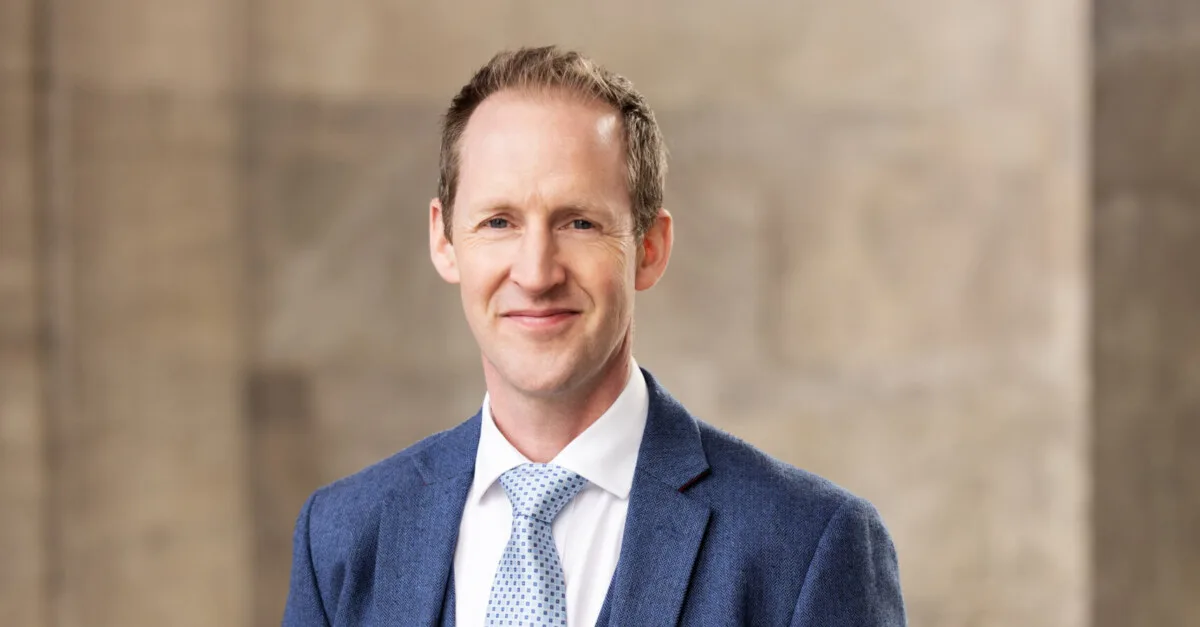 RIAS Chamber Choir Berlin, Ensemble Resonanz, Justin Doyle (conductor)RIAS Kammerchor Berlin Ensemble Resonanz Justin Doyle (Leitung)Elbphilharmonie, Hamburg (Großer Saal)