

Giovanni Bononcini
1670–1747
Life
Giovanni Bononcini was born in Modena in 1670 and grew up in a family of musicians. He lost his father, the respected composer Giovanni Maria Bononcini, at an early age. He received further training in Bologna under Giovanni Paolo Colonna, and while still young he worked as a cellist and as maestro di cappella at the church of San Giovanni in Monte. Around 1691 he moved to Rome, where a long-standing collaboration with the librettist Silvio Stampiglia began and his first operas were written.
At the end of the 17th century he found his true home in Vienna. From 1697 or 1698 he belonged to the court chapel of Emperor Leopold I, and between 1699 and 1711 he was employed as court composer. He was particularly supported by the future Emperor Joseph I. From 1720 he worked for around twelve years in London, initially at the Royal Academy of Music, where he competed with George Frideric Handel for audiences. After periods in Paris and Lisbon, he returned to Vienna in 1737 and from 1741 received a pension from Empress Maria Theresa. His place of death is considered to be Vienna, but according to recent information from the editorial team of the Österreichisches Musiklexikon it has not yet been conclusively documented.
Works and Style
Bononcini wrote operas, serenatas, oratorios and sacred music, as well as instrumental works and a very large number of chamber cantatas. His background as a cellist is evident in the sonatas and in his treatment of the strings. His expressive recitatives and, above all, the melancholic yet simple arias were highly valued and served as models.
Over time, however, his reputation fell into the shadow of Alessandro Scarlatti and Handel. Scholarship has reassessed his significance in recent decades; the source situation is difficult, however, because many works are also attributed to his brother Antonio Maria or to other contemporaries.
Well-known Works
His best-known stage works include « La fede pubblica» (Vienna 1699), «Endimione» (Vienna 1706) and, in London, «Astarto» (1720), «Griselda» (1722) and «Crispo». From Vienna also comes «Alessandro in Sidone» (1737). The Te Deum of 1741, written for Maria Theresa, is considered his last dated work. In the instrumental field, the «XII Sonatas for the chamber» of 1732 should be mentioned, and the Sinfonia da chiesa a quattro in D minor op. 5/4 is occasionally performed today.
Concert Life Today
In the concert life of the region, Bononcini is present above all in the Baroque repertoire. In June 2025 his Sinfonia da chiesa was on the programme «Concerto Madrigalesco» with the Appenzeller Kammerorchester, which was heard in Gais, Urnäsch and Heiden. Further performances follow in autumn and winter 2026: the ensemble Arsenale Sonoro with Francesca Aspromonte and Boris Begelman presents Bononcini in the synagogue in the Hungarian town of Kőszeg, together with Scarlatti, Caldara and Handel. In Dresden he appears in August 2026 in the Frauenkirche alongside Handel, Vivaldi and Hasse on the programme of «Colori del Mare». In December 2026 Kristin von der Goltz and her ensemble devote themselves in the Pierre Boulez Saal in Berlin to a programme of Italian Baroque composers, in which Bononcini is also represented.
Upcoming concerts featuring works by Giovanni Bononcini
Thursday 3 December
19:30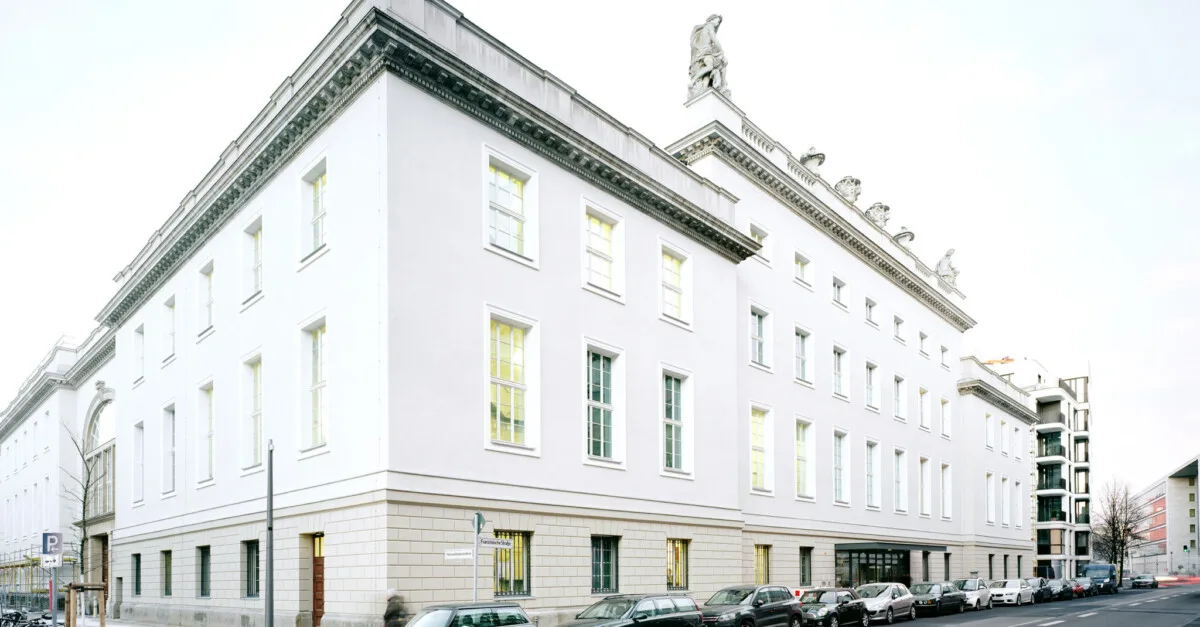 Kristin von der Goltz & EnsembleKristin von der Goltz & EnsemblePierre Boulez Saal Berlin, Berlin
Saturday 19 December
18:30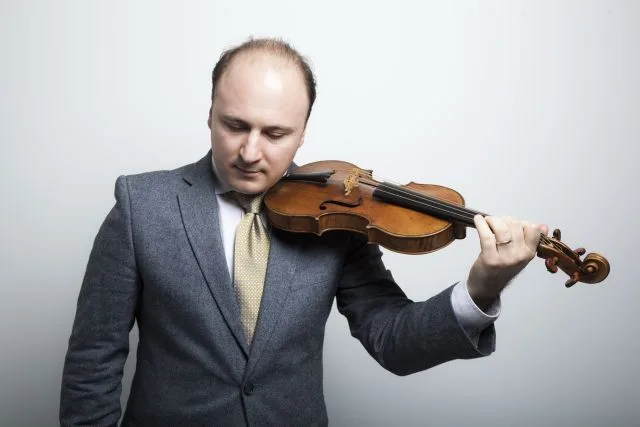 “Tra Roma e l'Adriatico” Corelli and the Violin Sonata | B. Čičić | Cardinal ComplexCardinal Complex · Bojan Čičić⎜Violine Alex Jellici⎜Violoncello Matías Lanz⎜CembaloLiebestrasse 3, Winterthur
Sunday 20 December
17:00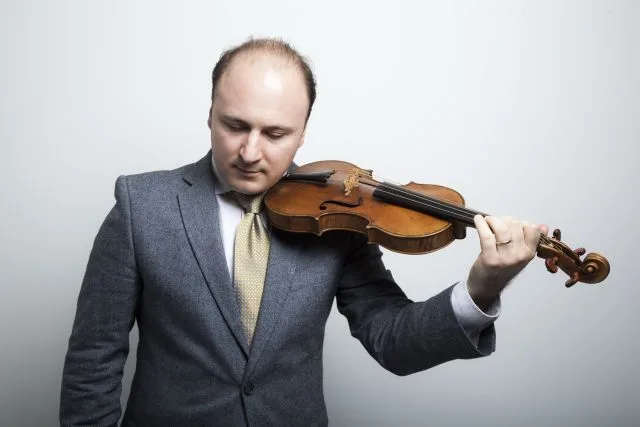 «Tra Roma e l'Adriatico» Corelli and the Violin Sonata⎜B. Čičić⎜Cardinal ComplexCardinal Complex · Bojan Čičić⎜Violine Alex Jellici⎜Violoncello Matías Lanz⎜CembaloZunftsaal Schmiedenhof, Basel