

Alexander Borodin
1833–1887
Life
Alexander Borodin was born in 1833 in Saint Petersburg and died there in 1887. He was a polymath who worked, alongside music, as a qualified physician and as a professor of organic chemistry. His list of publications as a chemist comprises more than forty specialist articles, and as a university teacher he enjoyed great popularity.
He pursued composition alongside his main profession, chiefly in his free hours and during the semester breaks. He belonged to The Five (Mighty Handful), a circle of Russian artists that sought an independent national music.
Works and Style
Borodin became known worldwide more as a composer than as a scientist. His output comprises two symphonies, a symphonic poem, chamber music, choral works and songs. Characteristic is the national element that shapes his music, as well as exotic-sounding scales and rhythmic colours with which he depicted foreign cultures.
His music was often written in the pauses between scientific work. Precisely for this reason his oeuvre seems concise, yet very distinctive in its sound language.
Well-Known Works
His best-known stage work is the opera Prince Igor, whose subject is based on the medieval Lay of Igor's Campaign. Borodin worked on it for around eighteen years without completing it. After his death in 1887, Glazunov and Rimsky-Korsakov finished the work and orchestrated it.
The Polovtsian Dances come from the opera and have found their way into the standard repertoire. A song based on their melody became an international hit in the 1950s and is known under the title Stranger in Paradise. The Second Symphony in B minor is also among his most important orchestral works; after a reserved first recording, he cut back part of the brass parts.
Concert Life Today
The Polovtsian Dances are particularly present in the region. In November 2026 they are heard in the Kulturpalast Dresden, where the Dresdner Philharmonie under Aziz Shokhakimov appears with the trumpeter Sergei Nakariakov. In January 2027 the Overture to Prince Igor is on the programme at the Montforthaus Feldkirch with the Symphonieorchester Vorarlberg under Leo McFall, and in February 2027 the Sinfonieorchester Aachen plays the same overture in the Eurogress under Levente Török. In the Münchner Isarphilharmonie excerpts from Prince Igor are performed with the Tölzer Knabenchor, the Münchner Motettenchor and the Prague Royal Philharmonic under Heiko Mathias Förster.
The Second Symphony can be heard in December 2026 at the Gustav-Siegle-Haus Stuttgart with the Stuttgarter Philharmoniker under Christian Lindberg, and in March 2027 in the Herkulessaal of the Residenz München with the Symphonieorchester des Bayerischen Rundfunks under Tugan Sokhiev. In chamber music, works by the composer can be experienced in the Konzerthaus Berlin, the Zukunftsmuseum Nürnberg and the Thier-Galerie Dortmund, and in the Vienna Konzerthaus also in a programme with the Philharmonic Brass.
Overall, Borodin is evidently regarded in German-speaking concert halls as a fixed component of Russian programmes, from the orchestral overture through the symphony to chamber music.
Upcoming concerts featuring works by Alexander Borodin
Sunday 29 November
18:00Sergej Nakariakov (Trompete), Dresdner Philharmonie, Aziz Shokhakimov (Leitung)Sergej Nakariakov (Trompete) Dresdner Philharmonie Aziz Shokhakimov (Leitung)Kulturpalast Dresden, DresdenThursday 10 December
19:30Stuttgarter Philharmoniker, Christian Lindberg (Leitung)Stuttgarter Philharmoniker Christian Lindberg (Leitung)Gustav-Siegle-Haus, StuttgartTuesday 15 December
19:30Kristina Mkhitaryan (Sopran), Pavel Nebolsin (Klavier)Kristina Mkhitaryan (Sopran) Pavel Nebolsin (Klavier)Oper Frankfurt, Frankfurt (Main)Saturday 26 December
18:00WeihnachtskonzertTrio ÉtoileNeues Schloss, MeersburgSaturday 9 January
15:00NeujahrskonzertBrandenburgisches Staatsorchester Frankfurt Takao Ukigaya (Leitung)Kulturkirche Neuruppin, NeuruppinSaturday 23 January
19:30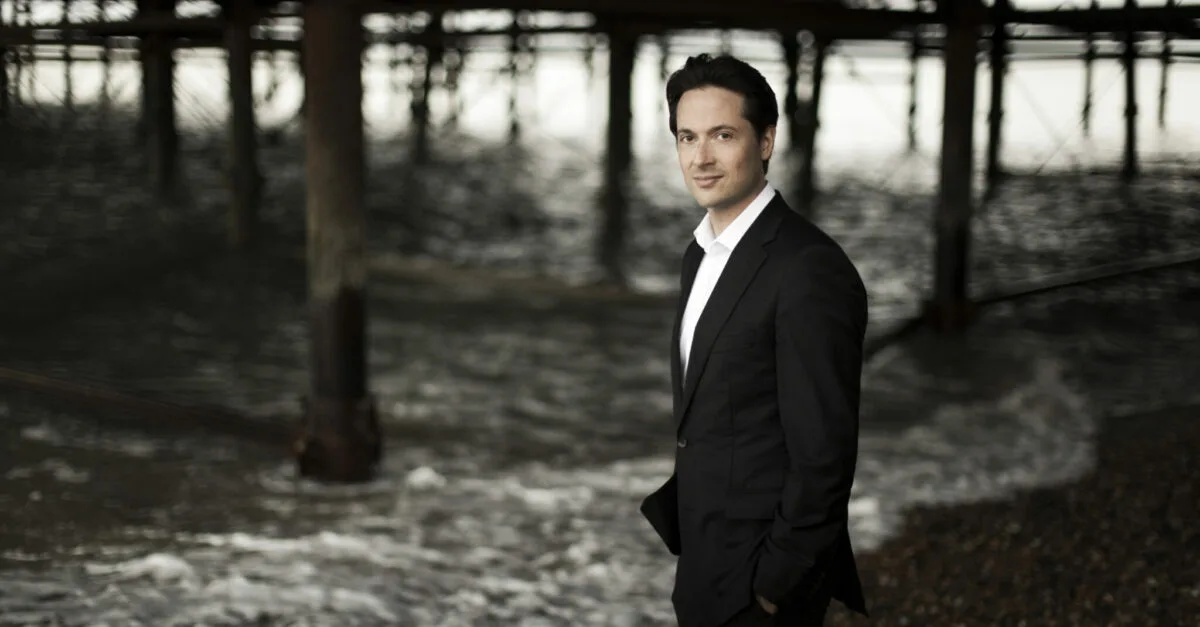 Timothy Ridout (Viola), Symphonieorchester Vorarlberg, Leo McFall (Leitung)Timothy Ridout (Viola) Symphonieorchester Vorarlberg Leo McFall (Leitung)Montforthaus, Feldkirch
Friday 5 February
19:30Streichquartett der Nürnberger SymphonikerStreichquartett der Nürnberger SymphonikerDas Zukunftsmuseum, NürnbergThursday 11 February
07:12The Philharmonic BrassThe Philharmonic BrassWiener KonzerthausSaturday 13 February
19:00Francesco de Angelis (Violine), Sinfonieorchester Aachen, Levente Török (Leitung)Francesco de Angelis (Violine) Sinfonieorchester Aachen Levente Török (Leitung)Eurogress Aachen, AachenThursday 18 February
20:00Musiker des Konzerthaus KammerorchestersMusiker des Konzerthaus KammerorchestersKonzerthaus BerlinFriday 19 February
19:30Tölzer Knabenchor, Münchner Motettenchor, Prague Royal Philharmonic, Heiko Mathias Förster (Leitung)Tölzer Knabenchor Münchner Motettenchor Prague Royal Philharmonic Heiko Mathias Förster (Leitung)Isarphilharmonie, MünchenThursday 18 March
20:00Yefim Bronfman (Klavier), Symphonieorchester des Bayerischen Rundfunks, Tugan Sokhiev (Leitung)Yefim Bronfman (Klavier) Symphonieorchester des Bayerischen Rundfunks Tugan Sokhiev (Leitung)Residenz München, München (Herkulessaal)Thursday 22 April
21:00Sehnsucht nach ItalienMitglieder der Dortmunder PhilharmonikerThier-Galerie, DortmundSunday 2 May
11:00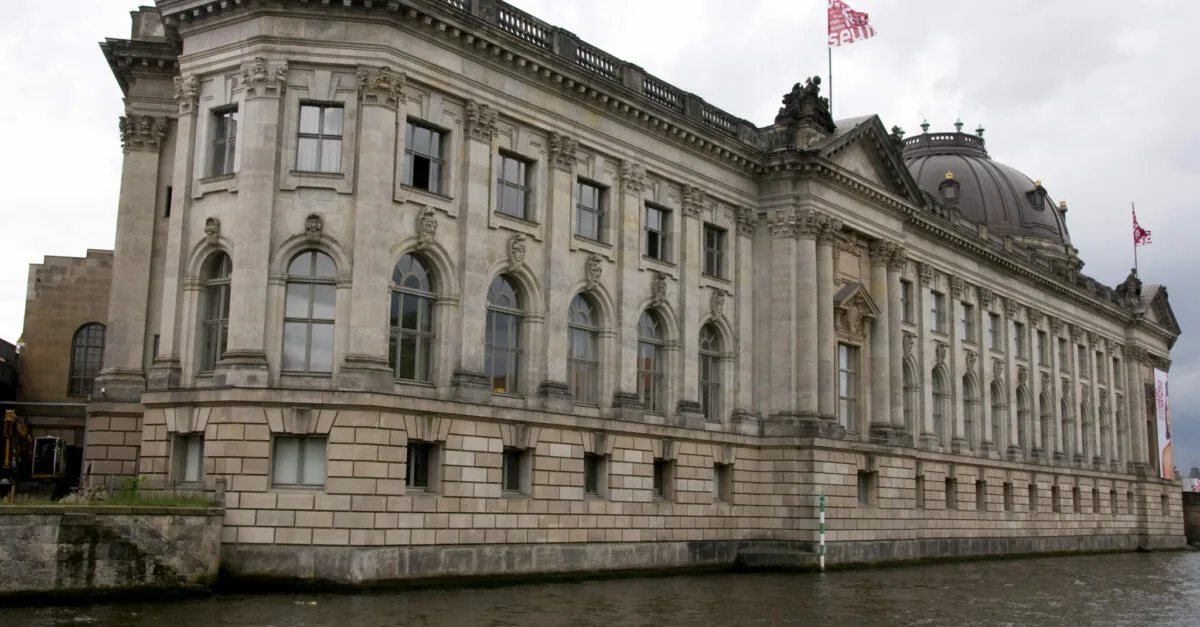 Linden Strings BerlinLinden Strings BerlinBode-Museum Berlin, Berlin (Gobelinsaal)17:00
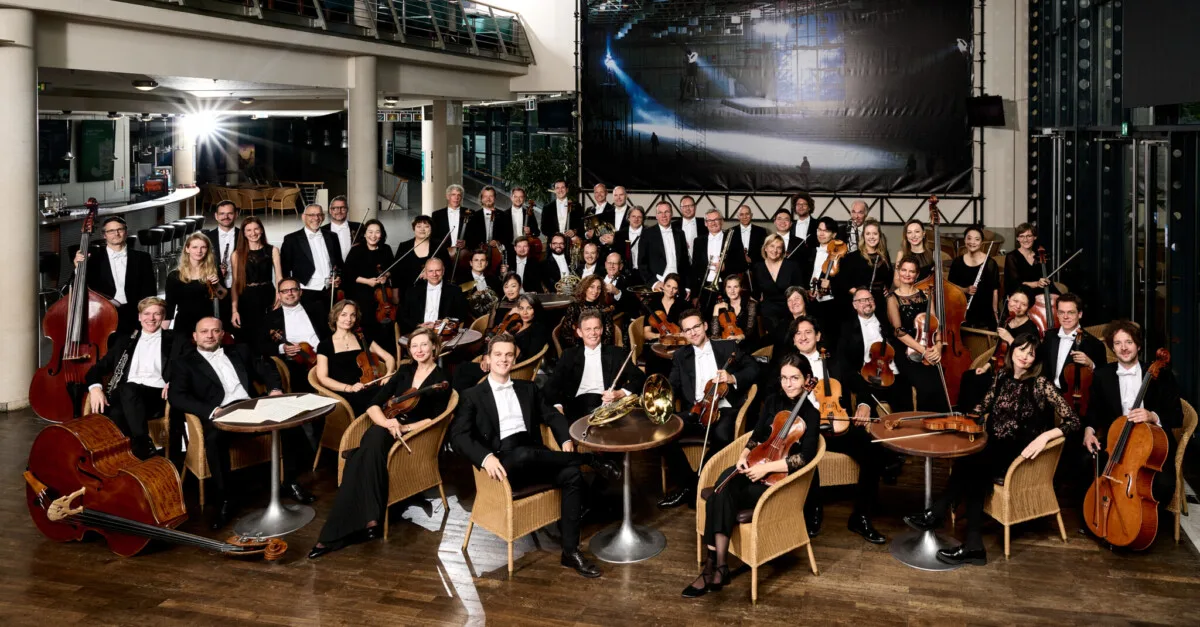 Nürnberger Symphoniker, Gordian Teupke (Leitung), Tobias Föhrenbach (Moderation)Nürnberger Symphoniker Gordian Teupke (Leitung) Tobias Föhrenbach (Moderation)Meistersingerhalle, Bayreuth
Sunday 13 June
11:00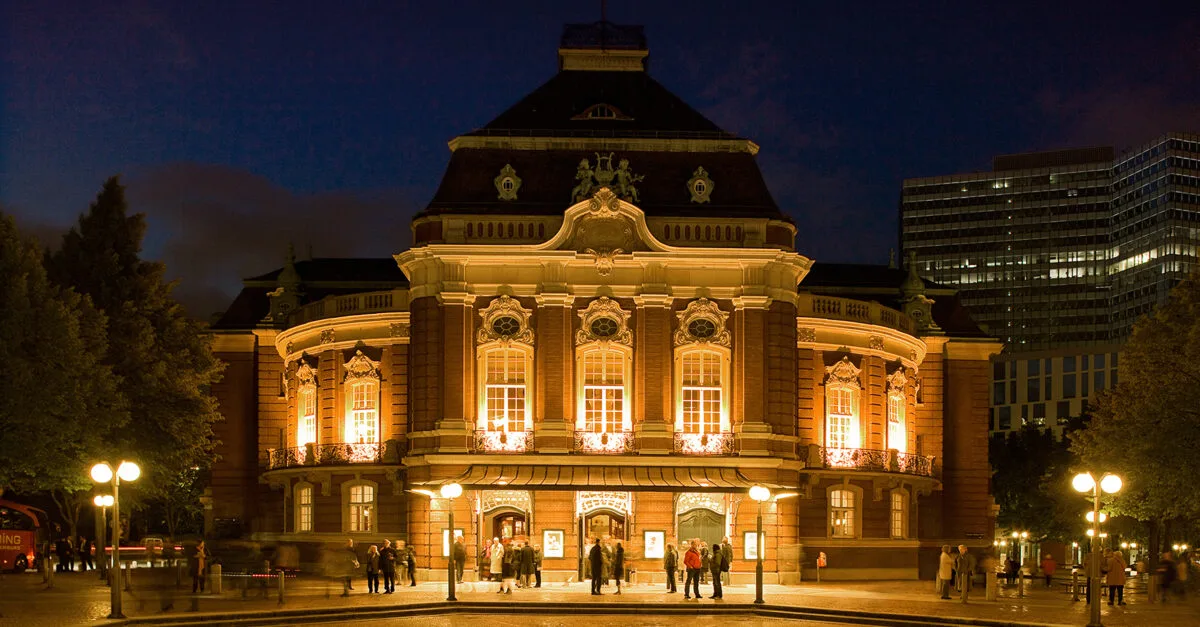 Hovhannes Baghdasaryan (Violine), Mihaela Villalba Höpfner (Violine), Hsiang-Hsiang Tsai (Viola), Sebastian Mirow (Violoncello), Li Li (Violoncello)Hovhannes Baghdasaryan (Violine) Mihaela Villalba Höpfner (Violine) Hsiang-Hsiang Tsai (Viola) Sebastian Mirow (Violoncello) Li Li (Violoncello)Laeiszhalle, Hamburg (Großer Saal)