

Albert Roussel
1869–1937
Life
Albert Roussel was born on 5 April 1869 in Tourcoing, in northern France, and died on 23 August 1937 in Royan. His earliest inclination was not towards music but towards mathematics. After joining the navy in 1887, he completed his training two years later as a midshipman. During several voyages to South-East Asia he gathered impressions that later flowed into his orchestral and stage works.
After leaving the navy in 1894, he began studying harmony in Roubaix with Julien Koszul. He then continued his studies in Paris and attended the Schola Cantorum until 1908, where Vincent d'Indy was among his teachers. At the same time he taught himself; his pupils included Erik Satie and Edgard Varèse, and later also Bohuslav Martinů. During the First World War he served as an ambulance driver on the Western Front. For his sixtieth birthday, three concerts of his music were performed in Paris.
Works and Style
Roussel's music moves between Impressionism and Neoclassicism. His early First Symphony, Le Poème de la forêt, still bears clearly the stamp of Debussy as well as the influence of the Schola Cantorum. Later he turned to a clearer, neoclassical idiom, as in the Suite in F and the Sinfonietta for Strings. Critics regard him as a renewer of the French formal tradition, which goes back to Rameau, while his bold harmonies at times point towards Stravinsky.
His journeys to Asia were especially formative. Together with his wife, he undertook a journey to India and Cambodia in 1908, which led to the symphonic Évocations and to the opéra-ballet Padmâvatî. His music does not exoticise, however; it is powerful and independent.
Well-Known Works
Among his most important works are the ballets. The ballet Bacchus et Ariane op. 43 was composed in 1930 and premiered in 1931 by the Paris Opéra under the direction of Philippe Gaubert. Two orchestral suites were drawn from the score. Le festin de l'araignée is also well known. Of the four symphonies, the Third in G minor and the Fourth in A major are considered especially valued, as they embody his mature neoclassical style.
Concert Life Today
In the concert calendar, Roussel is present above all through orchestral works. In January 2027, the second suite from Bacchus et Ariane appears on the programme of the Münchner Philharmoniker under Tugan Sokhiev at the Isarphilharmonie; in November 2026, the Deutsches Symphonie-Orchester Berlin plays the same suite at the Berliner Philharmonie under Fabien Gabel, with violinist Bomsori Kim. In June 2027, symphonic fragments from the ballet Das Festmahl der Spinne follow at the Berliner Philharmonie under Chloé Dufresne.
He is also heard in chamber music. In February 2027, the piece Joueurs de Flûte sounds in the Grosser Saal of the Laeiszhalle in Hamburg, played by flautist Fabian Johannes Egger with Simon Haje at the piano. In July 2026, the Sérénade op. 30 is on the programme of a chamber concert at the Cuvilliés-Theater in the Münchner Residenz. The emphasis thus lies clearly in the German-speaking region, above all in Munich, Berlin and Hamburg, and presents Roussel both as an orchestral composer and as the author of refined chamber music.
Upcoming concerts featuring works by Albert Roussel
Saturday 16 January
19:00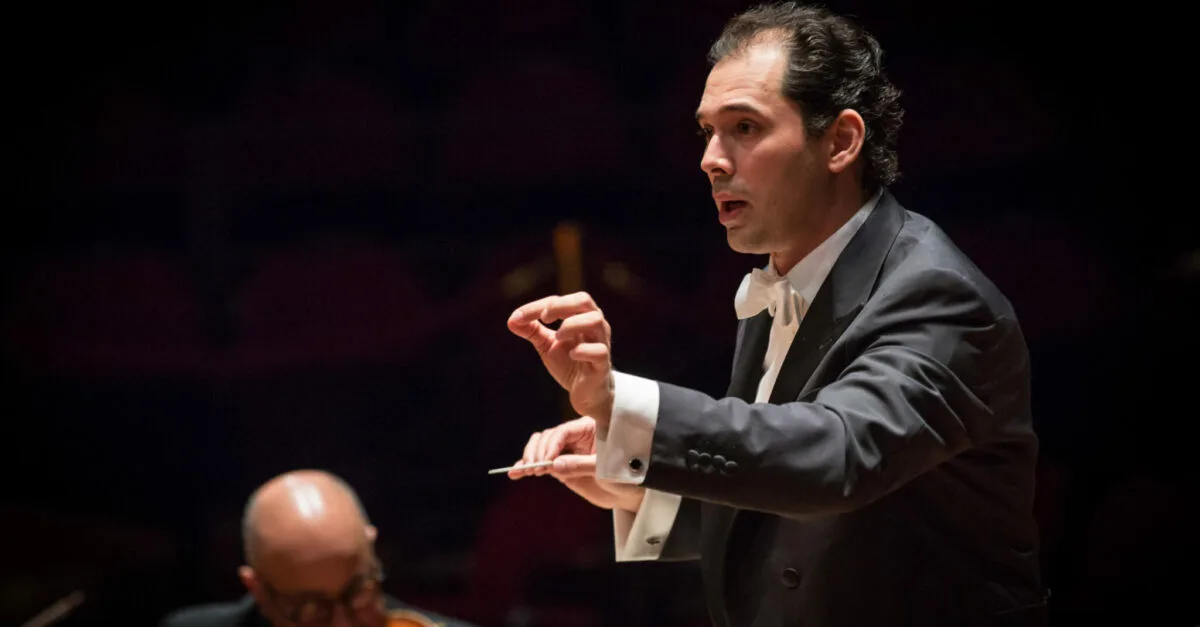 Münchner Philharmoniker, Tugan Sokhiev (conductor)Münchner Philharmoniker Tugan Sokhiev (Leitung)Isarphilharmonie, München
Saturday 13 February
16:00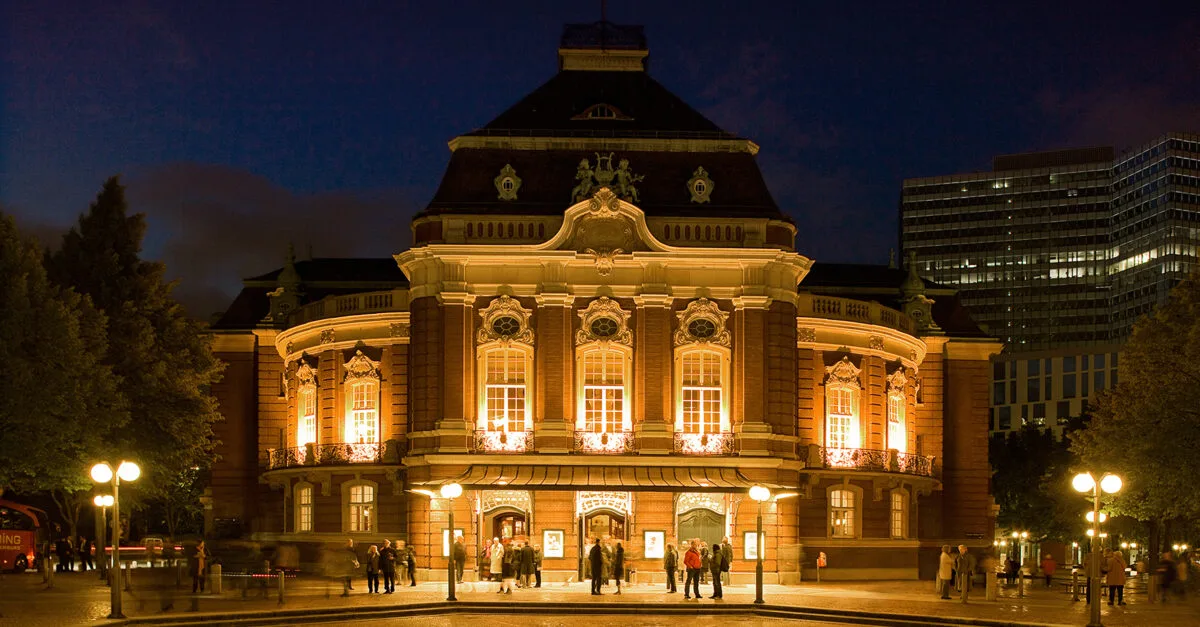 Fabian Johannes Egger (flute), Simon Haje (piano)Fabian Johannes Egger (Flöte) Simon Haje (Klavier)Laeiszhalle, Hamburg (Großer Saal)
Sunday 20 June
20:00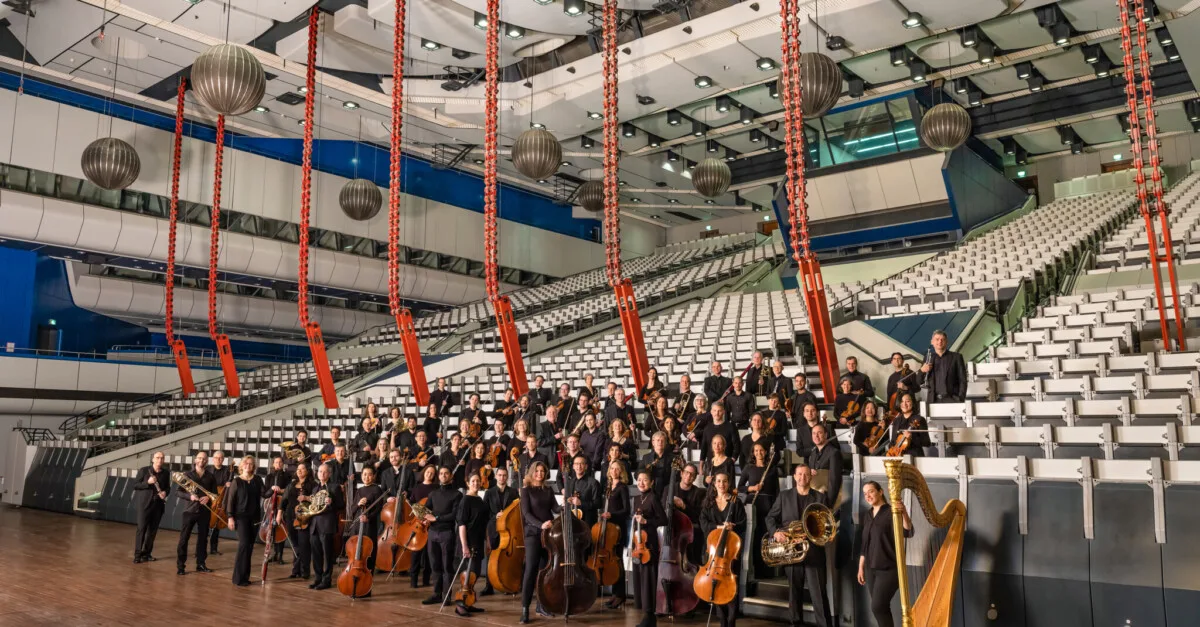 Elad Navon (clarinet), Sindy Mohamed (viola), Deutsches Symphonie-Orchester Berlin, Chloé Dufresne (conductor)Elad Navon (Klarinette) Sindy Mohamed (Viola) Deutsches Symphonie-Orchester Berlin Chloé Dufresne (Leitung)Berliner Philharmonie